Start with the places you will actually fish
The best first rod is the one that matches your local fishing, not the fanciest one on the rack. If you will fish from the Durban shoreline, piers, harbour edges or rocky points, you need different handling to a rod used on a farm dam, river bank or stillwater venue near Pietermaritzburg. Coastal anglers often need more length for casting and line control, while freshwater anglers usually benefit from a lighter rod that is easier to carry and cast for longer sessions.
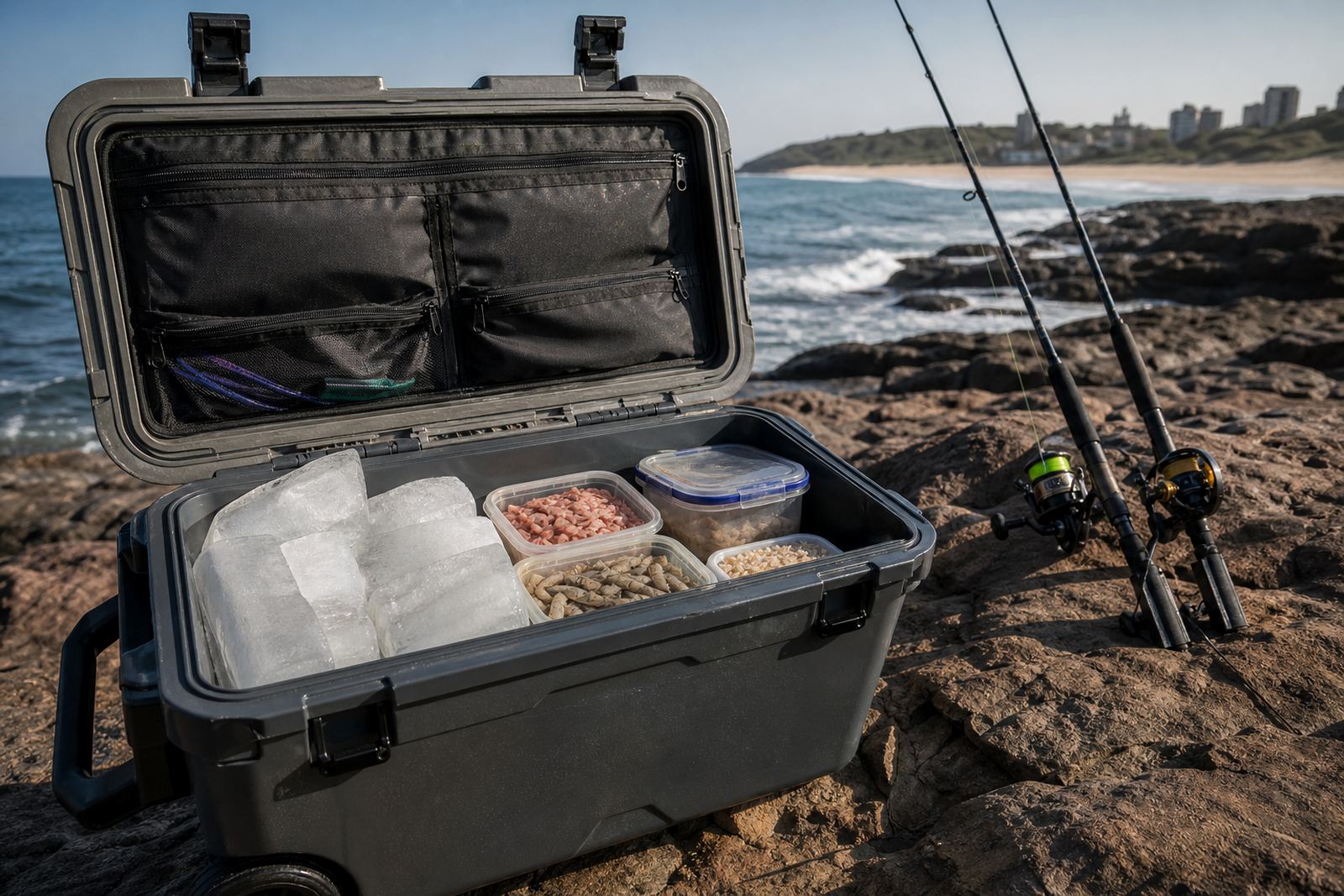
Think about your normal day out. Will you walk the beach with a bait bucket, fish from a jetty after work, or spend a full morning on the bank with a chair and cooler box? That answer matters more than the label on the rod. In South Africa, weather, wind and salt spray also matter, so a first rod should be easy to rinse, store and transport.
- Coastal fishing: choose a rod with enough length for casting bait and handling wind
- Freshwater fishing: choose a lighter rod that gives good feel and simple control
- Mixed use: choose one versatile rod before adding a second specialised setup
- Travel use: check that the rod breaks down into sections that fit your vehicle
Pick the right rod length without overcomplicating it
Length affects casting distance, lure control and how tiring the rod feels. A first rod that is too long can feel awkward for a beginner, while one that is too short may limit casting from the surf or open bank. For many new anglers, a middle ground is the smartest option. You want enough reach to fish properly, but not so much that every cast feels heavy.
As a general guide, shorter rods are easier for close work and smaller spaces, while longer rods help when you need line control over water movement, rocks or wave action. If you are buying your first rod for Durban shoreline use, a bit more length usually helps. If your main plan is dams, canals or river edges, a moderate length is often more comfortable. Ask yourself whether you are fishing over open water or close to cover, because that changes the choice quickly.
- Shorter rod: better for close casting and lighter, more relaxed handling
- Medium length: a sensible all round choice for a first setup
- Longer rod: useful where distance, wave lift or bank clearance matters
- Check transport: make sure the rod fits your car boot and storage space
Choose action and power that suit a beginner
Action and power sound technical, but they are simple once you know what they mean. Power is how much force the rod can handle, while action is where the rod bends. A beginner usually benefits from a rod that is not too stiff, because it gives better feel and is more forgiving when a fish surges or your timing is not perfect. Too stiff and you lose comfort, too soft and you may struggle with control.
For bait fishing, a forgiving medium action often helps with casting and hook sets. For lures, you may want a quicker response, but not so fast that the rod feels twitchy. If you are still learning, choose a rod that handles common local conditions rather than one built for one exact technique. A practical first rod should work with small live baits, basic rigs, spoons or soft plastics without becoming a headache.
- Medium power: a good starting point for general use
- Medium action: easier casting and more comfort for a new angler
- Not too stiff: helps reduce missed bites and broken leaders
- Match the rod to your target fish size, not just the biggest fish in the area
Match the rod to the reel, line and bait
A rod never works alone. The reel, line and bait all need to suit it, otherwise the whole setup feels off. A first rod should pair with a reel that balances well in your hand and a line that matches the rod rating. If the rod is nose heavy, casting gets tiring. If the line is too heavy or too light for the rod, you lose distance and control. This is where proper advice saves time and money.
For coastal use around Durban, salt resistance and easy rinsing matter because humidity and sea air can wear gear faster. For freshwater fishing, line visibility and sensitivity may matter more. If you plan to fish bait, the rod should load smoothly on the cast. If you plan to use lures, the setup must let you work the lure without feeling clumsy. Keep it simple at first and make sure every part of the combo suits the other.
- Check rod and reel balance before buying
- Use line within the rod rating range
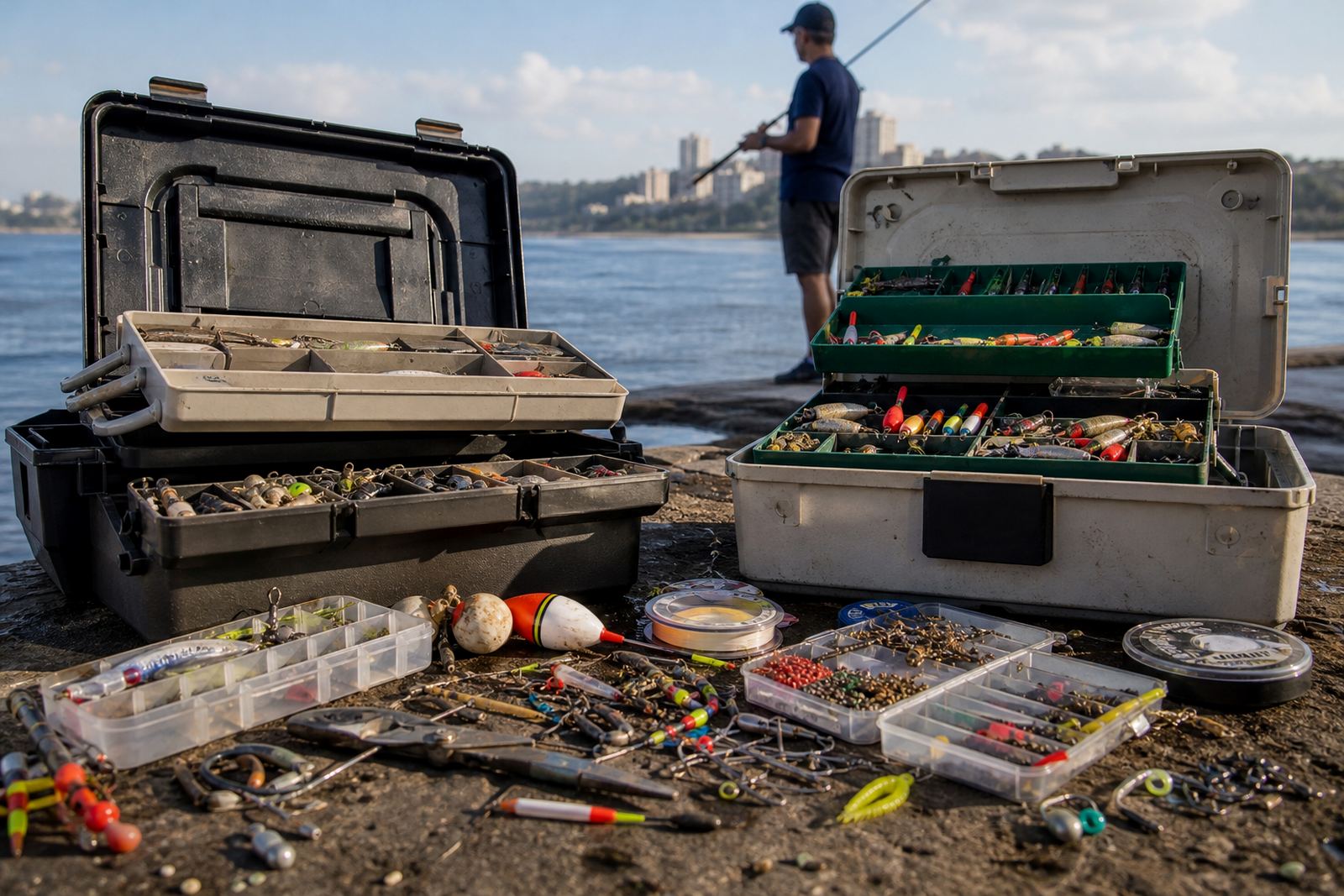
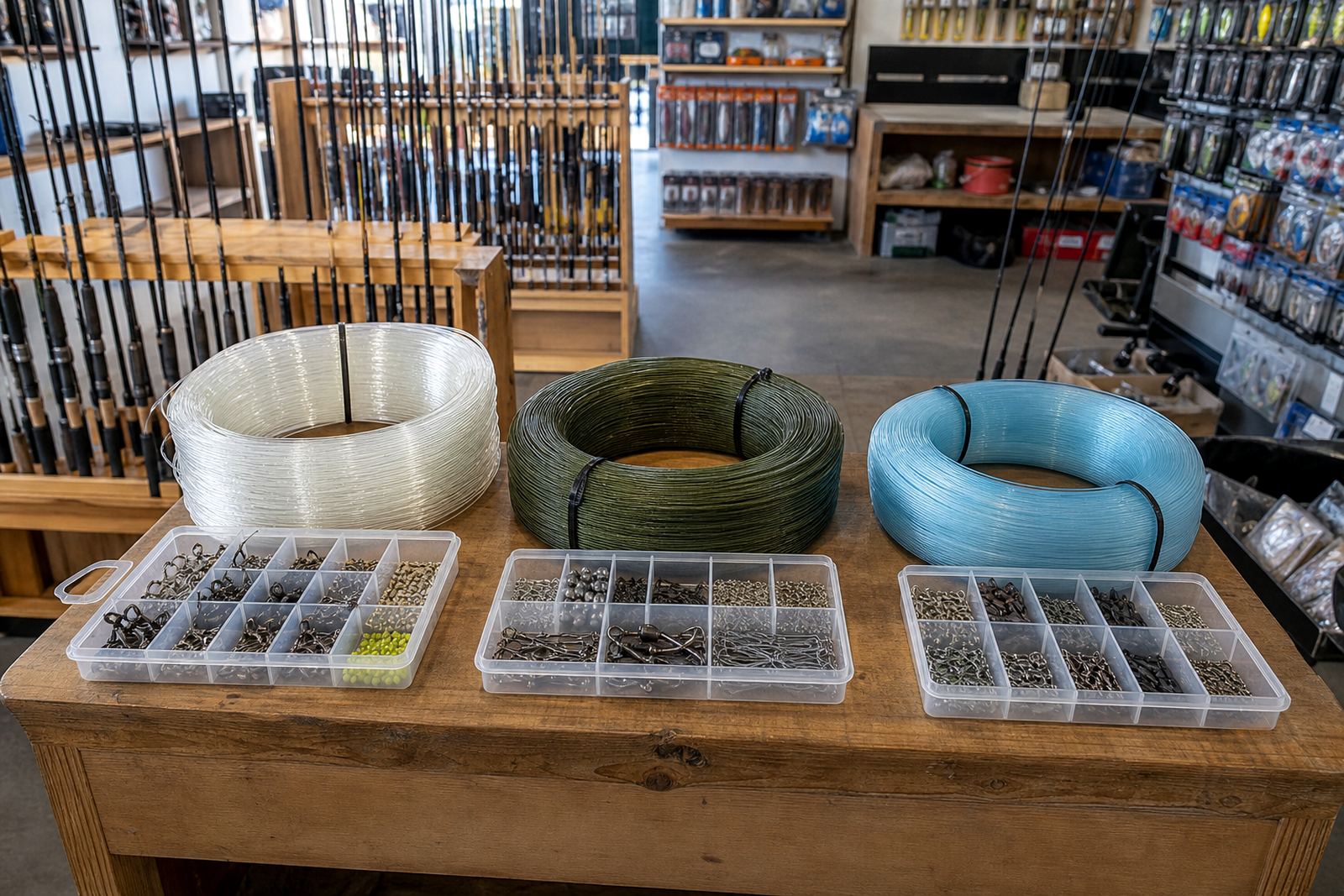
- Choose terminal tackle that matches the target species
- For bait fishing, ask about trace making and rig advice
A sensible first rod checklist for South African anglers
Before you buy, run through a short checklist. This helps you avoid paying for features you do not need yet. A first rod should be practical, comfortable and easy to maintain. If you are fishing after work, in holiday traffic or during load shedding at home, you want gear that is simple to store, clean and ready the next time you head out.
It also helps to think ahead. If you are likely to move from fishing dams to beach sessions, or from easy bank spots to more demanding coastal conditions, a good all round first rod can save you from buying twice. There is no need to start with a complicated setup. Start sensible, learn what you enjoy, then add specialist rods later if needed.
- Is the rod comfortable to hold for 20 to 30 minutes at a time?
- Does it suit the type of fishing you will do most often?
- Can you transport and store it without hassle?
- Will it work with the reel and line you already plan to use?
- Is it easy to rinse after saltwater fishing and dry properly?
Get the first setup right, then build from there
Your first rod should help you fish more often, not make the learning curve steeper. Once you have a setup that suits your local conditions, the next steps become easier. You can then decide whether you want a lighter freshwater rod, a stronger coastal option, or a specialist setup for bait, lures or boat fishing. Many anglers in Durban, Cape Town, Gqeberha, Johannesburg and East London start with one dependable rod and add from there as their fishing style becomes clear.
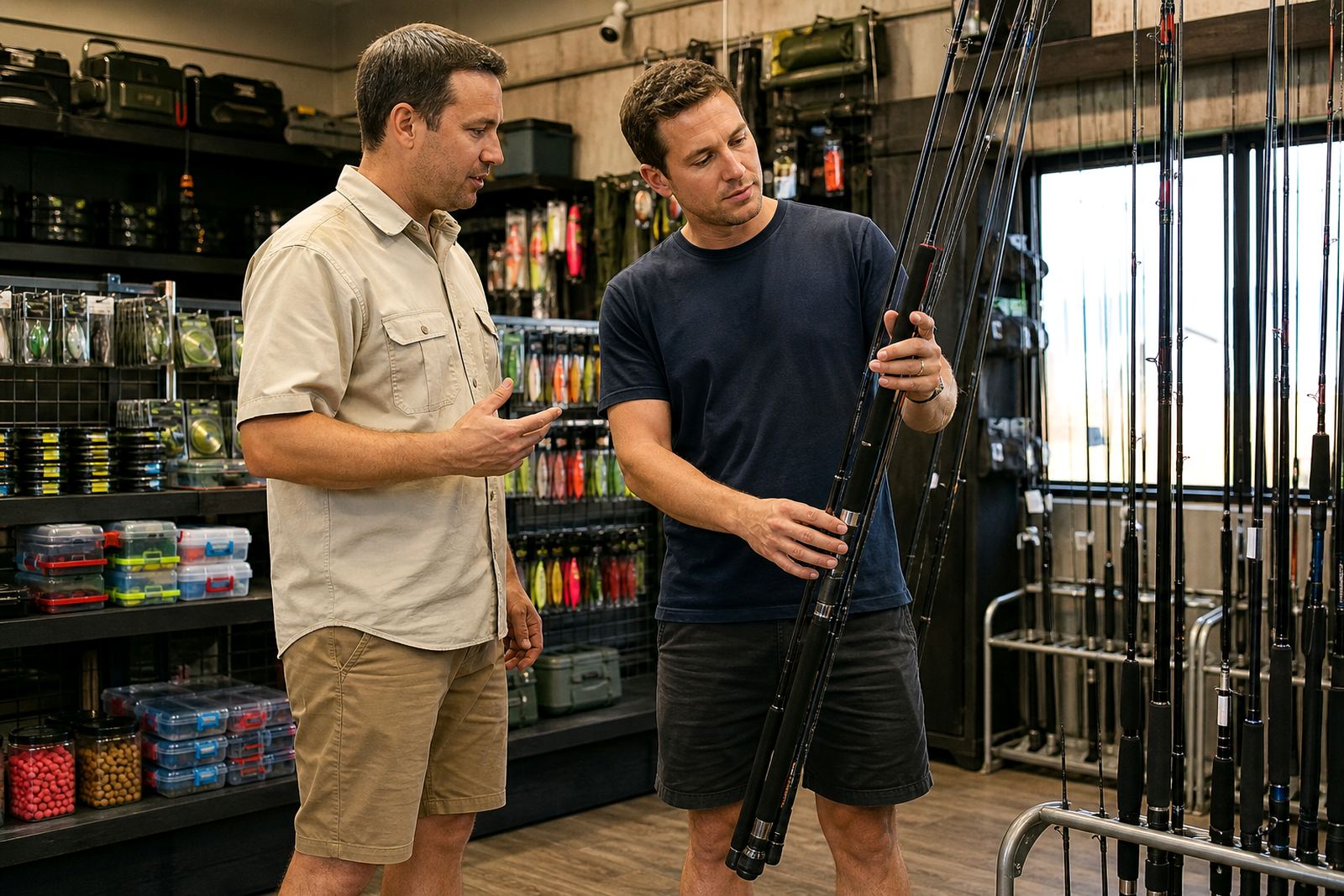
If you are unsure, bring your target species, likely fishing spots and budget into the decision. That makes the choice far more practical than guessing from a shelf full of options. A good first rod should feel balanced, cast neatly and give you confidence from the first outing. Not perfect for everything, just right for what you are actually going to do.
- Start with one versatile rod rather than several specialised ones
- Upgrade after you know whether you fish more bait or lures
- Keep the rod clean after saltwater use to extend its life
- Ask for starter setup help if you want the reel, line and rig matched properly