How hook sizes work in practice
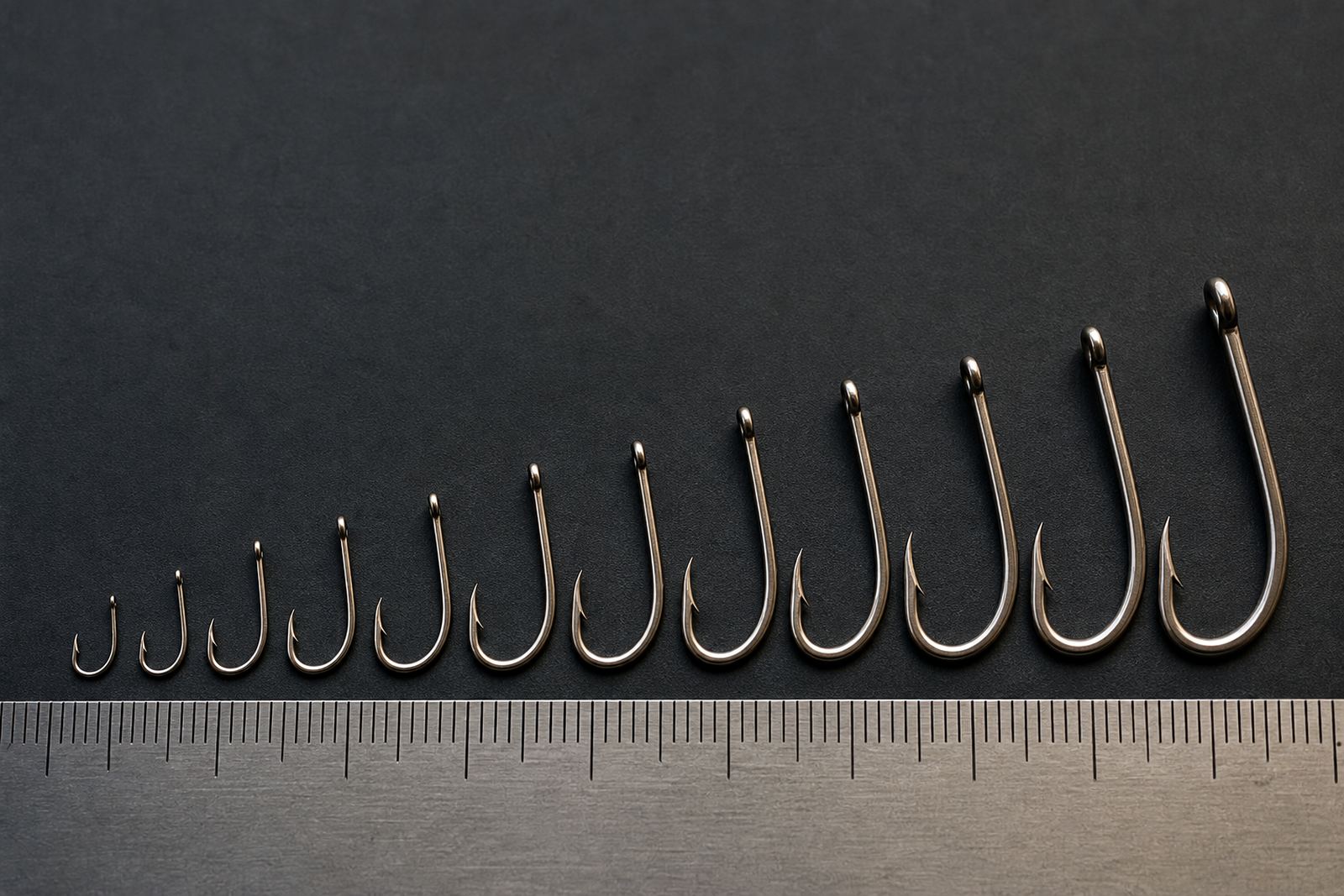
Hook sizes can look confusing at first because the numbering moves in two directions. Smaller numbered hooks get bigger as the number drops, so a size 8 is smaller than a size 4. Once you move into the larger styles, you will see 1/0, 2/0, 3/0 and bigger, which are generally used for larger bait or stronger fish.
As a simple rule, use smaller hooks for small baits and shy feeders, and bigger hooks for bulky bait or fish with a wider mouth. In Durban surf conditions, that often means a smaller hook for prawn or strip baits and a larger one for sardine or mackerel sections. In freshwater, the same thinking applies for worms, dough, maize and larger live or dead baits.
- Small hooks suit fine bait and smaller mouths
- Mid-size hooks suit mixed baits and general purpose fishing
- Large hooks suit bigger bait, stronger fish and heavier trace work
- Always check that the hook point can still clear the bait
Match the hook to the bait, not just the fish
A common mistake is choosing a hook only by species. The bait should guide the choice too. If the hook is too big for the bait, the point may be hidden and the bait looks clumsy. If it is too small, the bait can spin or slide off, especially in current or surf wash. That matters when fishing around Durban harbour, along the KZN coast, or on inland dams where bream and carp can nibble carefully.
For natural bait, try to keep the hook size in proportion to the bait length. A small strip bait may only need a size 2 or 4. A larger sardine fillet, squid strip or whole prawn may call for a 1/0 or 2/0. With dough, maize or smaller freshwater baits, a fine hook often works better because it keeps the presentation neat and helps with quicker pickups.
- Small bait: choose a fine, compact hook
- Medium bait: choose a general purpose hook with enough gape
- Large bait: choose a stronger hook with more bite
- If the bait blocks the point, downsize or trim the bait
Choose by target fish and water type
The fish you are after still matters. A hook that works well for shad on the coast may be wrong for carp at a stillwater or for barbel in a river. Coastal anglers in places like Umhlanga, Ballito and Gqeberha often need hooks that handle bait movement and saltwater corrosion. Freshwater anglers near Pietermaritzburg or Johannesburg usually focus more on mouth shape, hook hold and neat bait presentation.
As a starting point, smaller hooks are useful for bream, kurper and light feeder work. Mid-range hooks suit bass, trout bait fishing and mixed freshwater sessions. Larger hooks are useful for bigger saltwater species, catfish, stronger estuary fish and rougher conditions where you need more holding power. If the fish has a hard mouth, a hook with a sharper point and enough strength for the fish size is worth using. Saltwater conditions and coastal humidity can also dull hooks faster, so check them often.
- Freshwater small species: use lighter, finer hooks
- Freshwater mixed fishing: use medium hooks with good gape
- Coastal bait fishing: use stronger, corrosion resistant hooks
- Hard-mouthed fish: use a sharp point and solid hook wire
A quick step-by-step way to pick the right size
If you are unsure, work through the choice in order instead of guessing. This helps whether you are packing for a day trip, a club comp or a family outing. It also saves money because you stop buying hooks that are too big or too small for the way you fish.
Start by asking what bait you will use, then decide what fish you expect, and lastly check the water conditions. A small hook may be perfect in calm water, but in strong current or surf you may need a slightly larger hook to keep the bait secure. If you are unsure between two sizes, it is often better to take both and test them on the day. Carrying a few options is better than losing time at the water because the first rig is wrong.
- Step 1: Identify the bait size and shape
- Step 2: Match the mouth size of the target fish
- Step 3: Consider current, surf or wind
- Step 4: Check that the point and gape stay exposed
- Step 5: Tie up one test rig before making more
Terminal tackle checks before you cast
The hook is only one part of the rig. Line strength, trace length, swivel size and sinker choice all affect how the hook sits. If the trace is too stiff or too heavy for the bait, the hook may not turn properly. If the line is too light for the species, a good hook size will not save the fish once it is on.
Before you cast, pull the bait lightly and check how the hook sits. The point should not be buried deep inside the bait unless that is the style you are using on purpose. For surf fishing, keep an eye on abrasion from sand and shell grit. For freshwater, check for twists, knots and weak points after every few fish. Load-shedding and last-minute packing often mean tackle gets rushed, so take a minute to inspect the rig before you leave home.
- Check hook point sharpness with a light touch
- Make sure the gape is open and clear
- Inspect knots for fraying or slipping
- Replace bent or rusted hooks before they fail
Common hook size mistakes to avoid
Many anglers use hooks that are far too big because they think bigger means stronger. In reality, a hook that is oversized for the bait can reduce bites and make the bait look unnatural. The opposite mistake is using a hook that is too small for a big fish or heavy bait, which can lead to missed strikes and straightened hooks. Neither helps on a windy Durban pier or a quiet dam bank.
Another problem is using old hooks that have lost their point. A blunt hook will still catch a fish now and then, but your strike rate drops fast. Keep hooks sorted by size in clear packets or boxes, and label them properly so you do not grab the wrong pack in a hurry. If you fish both coast and inland, separate your saltwater and freshwater hooks so you can choose faster at the water.
- Do not choose by brand name or looks alone
- Do not hide the point inside too much bait
- Do not keep using rusty or bent hooks
- Do not mix up fresh and saltwater tackle in one loose box
Simple hook size checklist for your next trip
Use this short checklist before you leave Durban, head inland or pack for a weekend away. It helps you keep the right sizes in the bag and reduces guesswork when the fish are feeding. If you are building a general tackle kit, include a few small hooks, a few medium hooks and a few stronger larger hooks so you can adjust on the day.
At Catches, we often see anglers improve their catch rate by changing hook size before changing everything else. A small change can make a big difference, especially when bait presentation is the issue. If you are setting up a new rig, doing line spooling or planning a trip, keep your hook choices simple and practical.
- Bring small, medium and large options
- Match the hook to bait first, then species
- Check point sharpness before every session
- Carry extras for surf damage and snags
- Ask for rig advice if the bait is not sitting right