Start with the water you actually fish
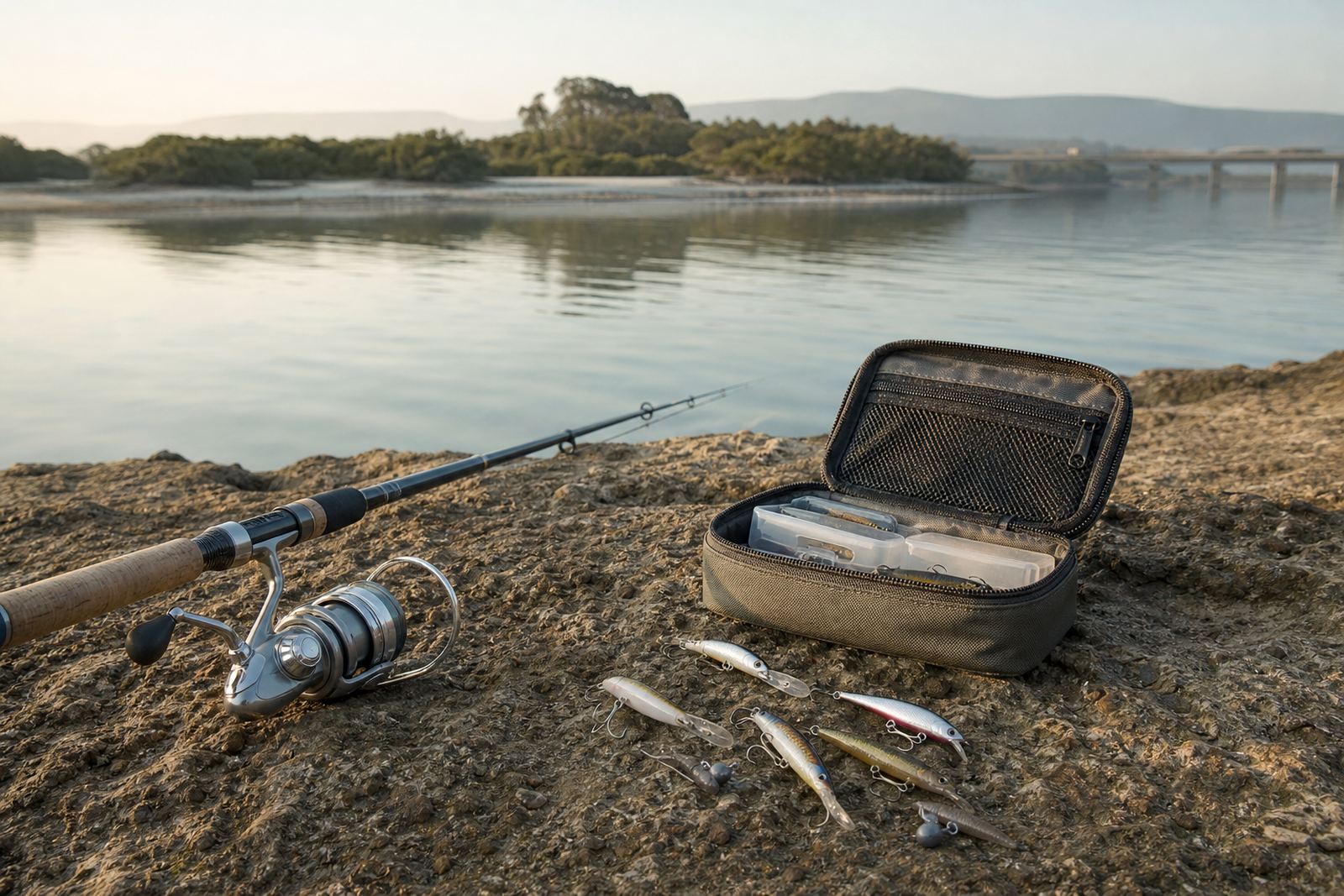
Estuary fishing changes fast with tide, wind, current and water clarity, so your combo must do more than one job. If you fish muddy Durban mouths, sheltered lagoons near Cape Town, or mixed water around the KZN coast, a light to medium setup usually gives the best balance.
For most anglers, a 7 ft to 9 ft rod is the sweet spot. Shorter rods are easier to manage from tight banks and boat decks, while longer rods help with line control when you need to cast past weed beds or push a bait a bit further. Think about where you stand, not just what species you hope to find.
- Short banks and mangrove edges: 7 ft to 7 ft 6 in rod
- Open banks and mixed casting: 8 ft to 8 ft 6 in rod
- Longer reach and light surf edges: 9 ft rod
Match rod action to lures and bait
A medium-light or medium action rod is usually the most useful all-rounder for estuary work. It should have enough tip feel for small soft plastics, hard lures and light spoons, but still carry enough backbone for sliding a bait or handling a fish in current. If the rod is too stiff you lose bite detection, and if it is too soft you struggle to set hooks cleanly.
For lure anglers, a fast or moderate-fast action helps with accuracy and quick response. For anglers who bait fish more often, a slightly more forgiving tip makes casting easier and keeps your bait in place. A good all-round estuary rod should not feel broom-like in the hand.
- Lures only: fast action, lighter tip
- Bait plus lures: moderate-fast action
- Mostly bait: slightly more parabolic bend
Choose a reel size that keeps the setup balanced
Reel balance matters more than most beginners realise. A reel that is too heavy will tire your wrist, while one that is too small can make line management awkward. For estuary combos, a 2500 to 4000 size spinning reel is a practical range for most South African anglers.
On the Durban side, where coastal humidity can work on gear quickly, a reel with good corrosion resistance and smooth drag pays off. It also helps if the reel is easy to service, since salt spray and fine sand can build up after just a few sessions. A properly balanced reel should sit comfortably on the rod without pulling the tip down too much.
- 2500 to 3000 size: light lure work and finesse fishing
- 3000 to 4000 size: all-round estuary use
- Spool depth: enough for braid and a short leader, not overfilled
Line and leader choices that suit local conditions
Line choice depends on how much feel you want and how often you fish around snags. Braid is the best option for sensitivity and casting distance, especially when working lures or fishing in current. Monofilament is easier for beginners and gives a little stretch, which can be useful when fish hit close in. Many anglers now use braid with a fluorocarbon leader for the best of both.
For estuary combo fishing, 10 lb to 20 lb braid covers a wide range of situations. Leaders from 10 lb to 25 lb are common, depending on water clarity and the size of fish you expect. In dirty water you can go a little heavier without affecting bites too much. In clearer water, keep the leader tidy and unobtrusive.
- Light lure setup: 10 lb to 15 lb braid
- General estuary combo: 15 lb to 20 lb braid
- Leader length: about 1 to 2 rod lengths
Build for bait, lures and quick changes
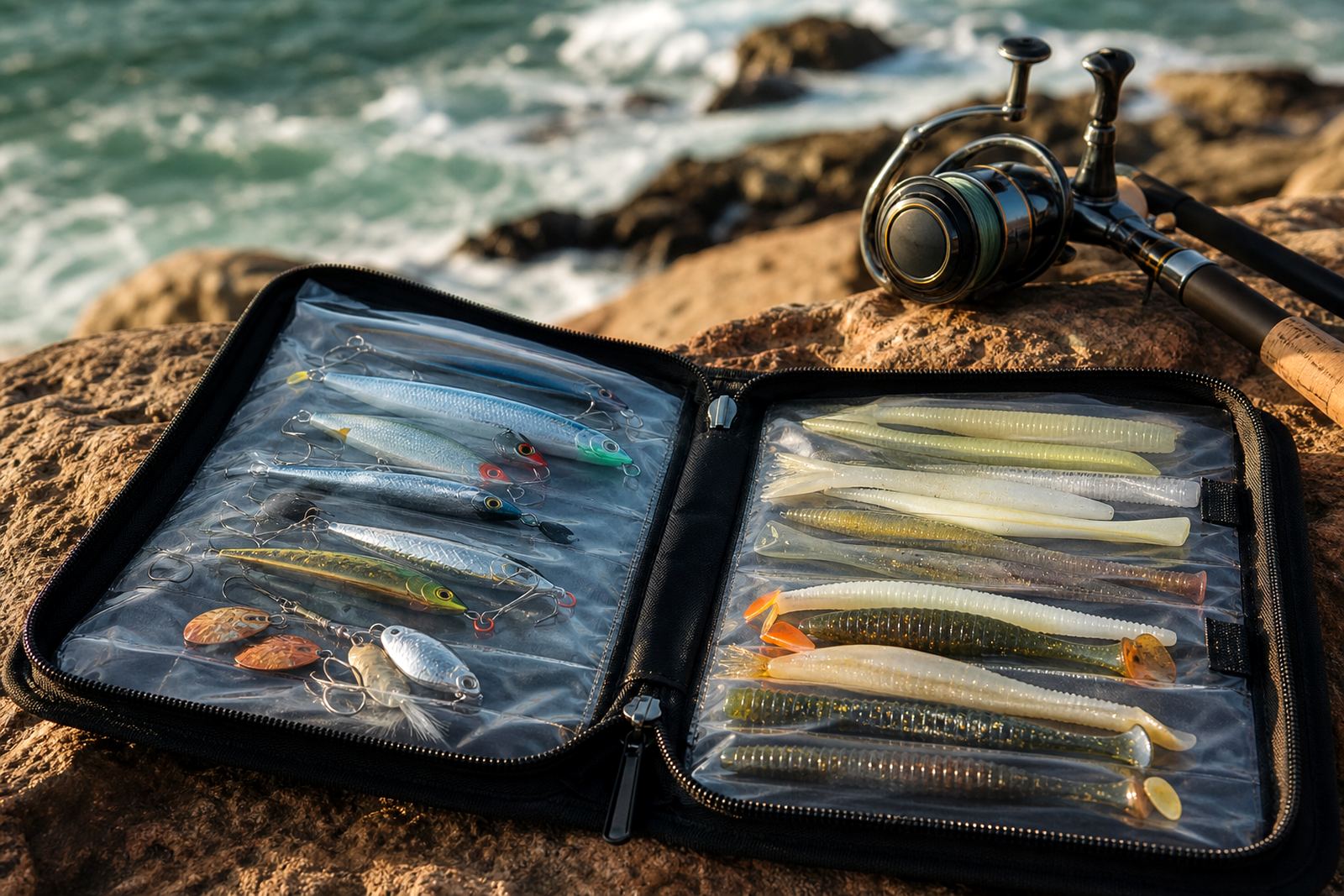
If you want one combo that covers most estuary situations, set it up so you can switch between lure and bait fishing quickly. Keep your main line neat, use strong knots, and carry a few ready-made traces or leaders. That way you can move from a soft plastic to a prawn or small strip bait without redoing your whole rig.
A simple estuary checklist helps on the day, especially when load-shedding or rush hour traffic cuts into prep time. Pack the basics first, then add extras for the specific water you are fishing. A good plan saves more fishing time than extra gear ever will.
- Rod matched to your usual casting range
- Reel with smooth drag and clean spool lip
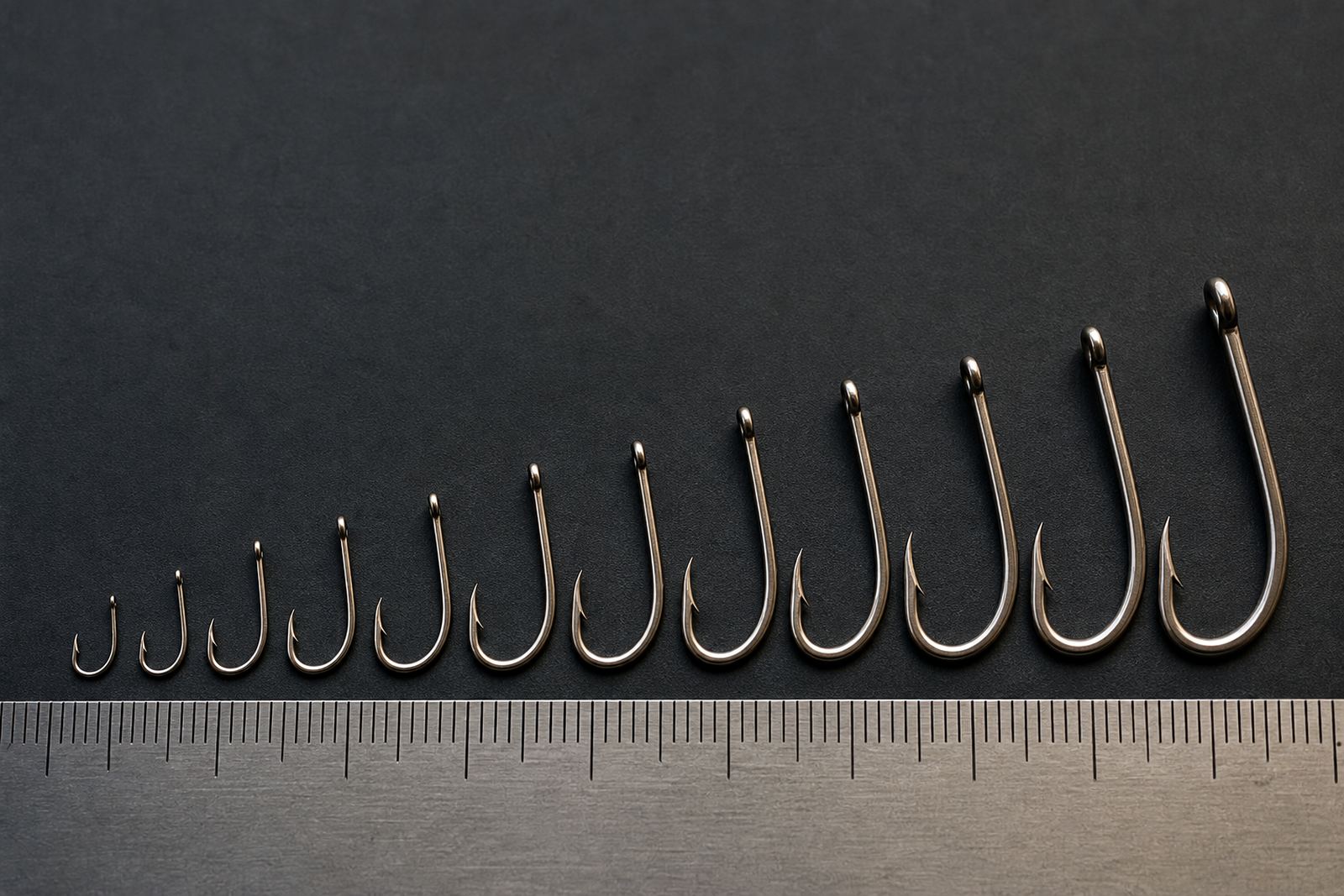
- Braid, leader material and spare hooks
- Small pliers, scissors and sinkers
- Bait container, lure box and spare swivels
Check the combo before you hit the water
Before you leave Durban, Pietermaritzburg or anywhere else, give the combo a quick inspection. Check the guides for cracks, confirm the reel seat is tight, and make sure the drag runs evenly. If the line has memory or fray, sort it out before the trip, not on the river bank.
A simple pre-trip routine reduces lost fish and wasted time. It also helps if you fish often, because small faults build up fast in salt air and humid weather. The goal is to arrive ready, not to spend the first hour fixing tackle.
- Check rod guides for chips and cracks
- Test the drag before packing the rod
- Inspect knots and leader joins
- Rinse saltwater gear after each session
- Dry reels before storage, especially in winter
When to upgrade, repair or get advice
If your current combo feels unbalanced, casts poorly or struggles under load, it may need a tune-up rather than a full replacement. Reel servicing, line spooling, drag tuning and rod guide replacement can bring old gear back into useful condition. For anglers who fish often, this is usually better value than starting over.
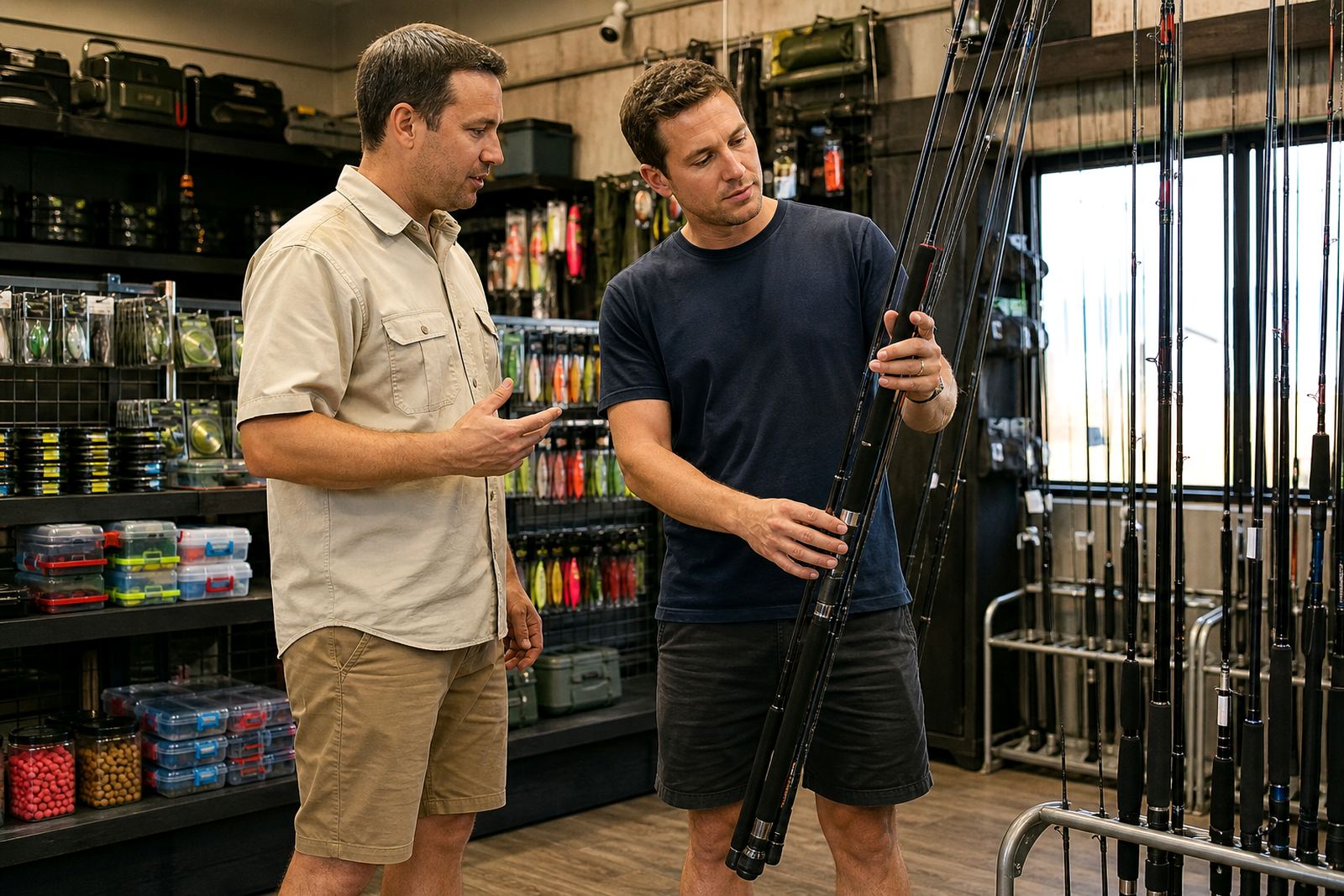
At Catches in Springfield Park, Durban, our team helps anglers choose practical estuary combos for local conditions as well as travel fishing across South Africa. Whether you are putting together a first setup or refining an existing one, a few small changes can make the rod and reel work better together.
Use the enquiry form on our contact page if you want advice on a combo for Durban, Cape Town, Gqeberha, Johannesburg or East London. We can help with starter setup, trip gear checks and bulk club orders too.