Start with where and how you fish
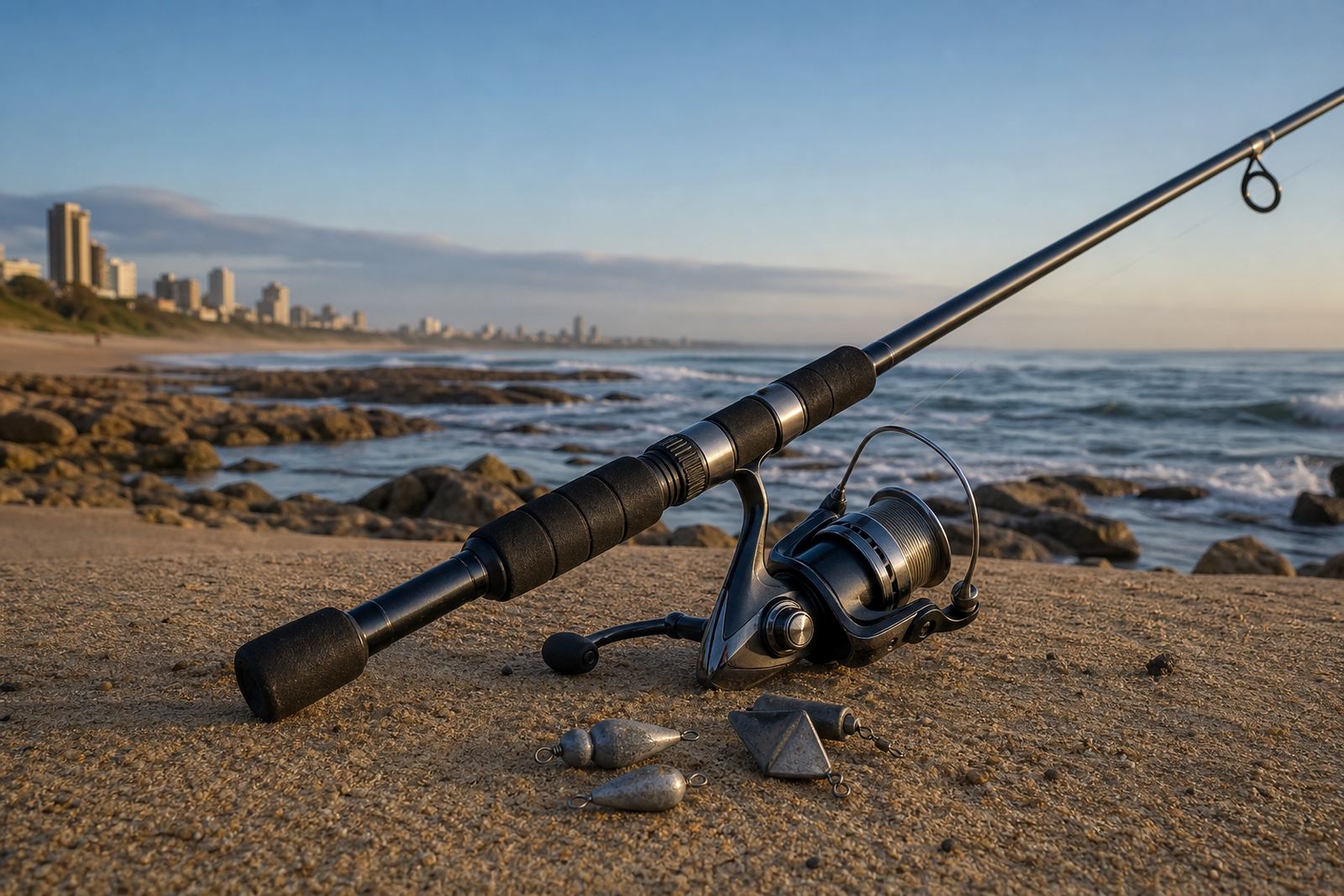
Before you look at gear ratios or spool shapes, decide what fishing you will do most often. A reel for rock and surf fishing in Durban or East London will not be the same choice as one for bass in a dam near Johannesburg, and a light setup for estuary work around Cape Town needs a different balance again. Match the reel to the water first, then refine the detail.
If you are fishing from the beach, you usually need a reel that handles heavier line, stronger drag and a larger line capacity. For freshwater, you can often go lighter, which makes casting easier and reduces fatigue over a full day. If you only fish a few times a year, keep the setup simple and practical rather than buying more reel than you need. A good first choice should feel comfortable and not overly heavy once it is paired with a rod.
- Coastal surf: choose strength, line capacity and corrosion resistance.
- Freshwater: focus on light weight, smooth winding and easy casting.
- Mixed use: pick a mid-size reel that can handle general purpose fishing.
Read reel size as a working tool, not just a number
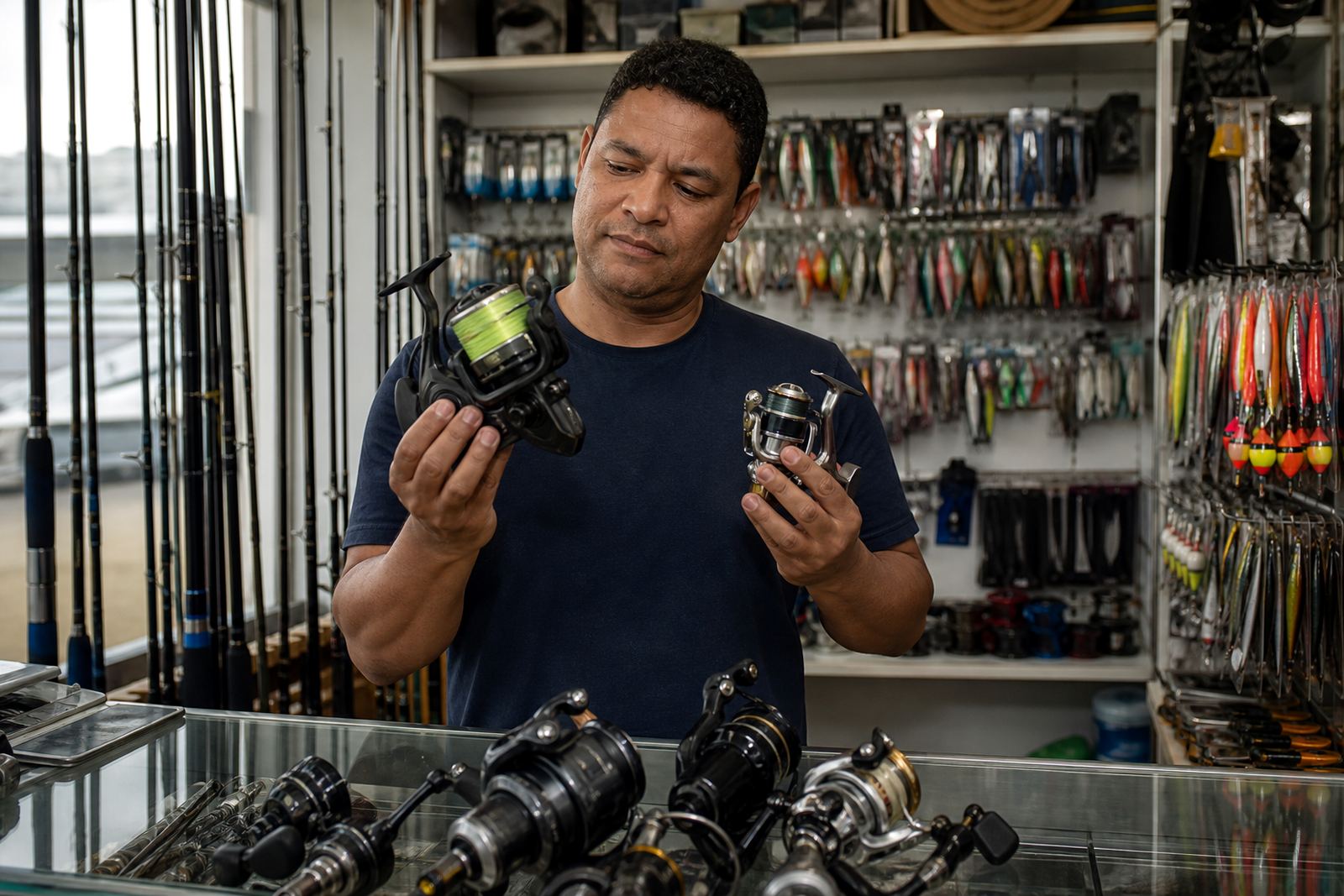
Reel size numbers can be confusing at first because they differ between styles, but the basic idea is the same. Bigger reels hold more line and usually give more pulling power, while smaller reels are lighter and suit finer line. You do not need the largest option available to catch fish. You need a size that matches your target species, line thickness and rod length.
A small freshwater reel may suit light spinning or bait fishing, while a medium size reel can cover a wide range of local conditions. For heavier coastal work, anglers often step up to a larger body for better line lay and extra capacity. Ask yourself how far you need to cast and how much line a fish could take if it runs hard. That answer narrows the choice very quickly.
- Light freshwater: smaller body, lighter line, easier handling.
- General use: mid-size reel with enough capacity for most day trips.
- Coastal fishing: larger spool and more drag for stronger runs.
Check how the reel feels in your hand
A reel can look right on paper and still feel wrong on the rod. Hold it as you would when fishing and check the balance point. The reel should sit comfortably without making the rod nose-heavy or tiring your wrist. Smooth winding matters, but so does how the handle sits, how the spool feels, and whether the body feels solid when you turn it.
Pay attention to the handle length and knob shape. If you are fishing for long periods, a comfortable grip can make a proper differnce. The best reel for a first setup is usually the one that feels controlled in your hand, not the one with the most features. If possible, compare two or three sizes with the rod you plan to use. Small differences in weight and balance are easier to notice once the reel is mounted.
- Hold the rod with the reel attached, not on its own.
- Turn the handle slowly and then under a little pressure.
- Check that the reel sits naturally for your casting style.
Test drag smoothness before you buy
Drag is one of the most important parts of a reel because it controls how line comes off when a fish runs. A smooth drag helps protect lighter line and reduces sudden pressure on hooks and knots. For a first reel, you want the drag to start cleanly and stay even, without jerking or sticking.
Ask how the drag adjusts and whether it can be set finely enough for your fishing. A good drag should be simple to control, especially when you are learning. If you fish coastal waters, drag smoothness becomes even more important because strong fish can change direction fast. Freshwater anglers also benefit from a tidy drag setup when fish surge close to the bank or boat. Take the time to test it by pulling line steadily, then a little harder, to see if the resistance stays consistent.
- Look for even pressure from the start of the pull.
- Check that the drag adjusts in small, useful steps.
- Make sure the reel does not chatter or grab under load.
Match the reel to your main target species
The species you plan to target should guide the final choice. If you want to fish for kob, shad or smaller game fish along the coast, you need a setup that balances casting distance with enough strength to cope with a run. For carp, bass or barbel in inland waters, the focus shifts to line control, sensitivity and dependable winding.
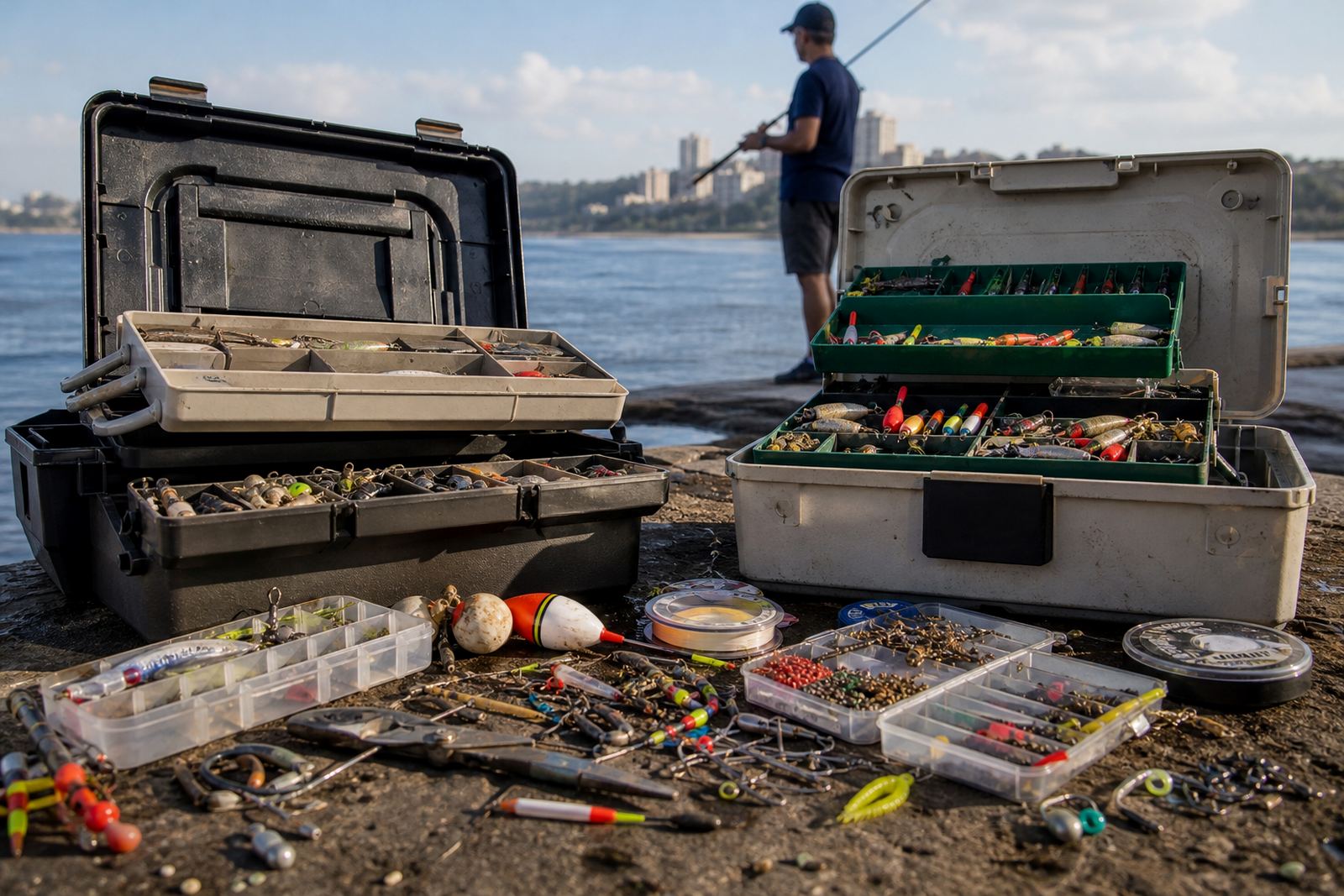
Think in practical terms. What size sinker will you use? How much line do you need on the spool? Will you be fishing from rocks, shore or a dam wall? A reel that suits your main target is usually a safer buy than a specialist model that only works in one narrow situation. Many anglers start with one general purpose reel and add a second setup later once they know what they enjoy most. That keeps your first spend sensible.
- Beach and rock fishing: more capacity and a stronger drag.
- Dam and river fishing: lighter body and easier handling.
- Boat or estuary use: compact reel with good control and smooth retrieve.
Build your first setup around maintenance and durability
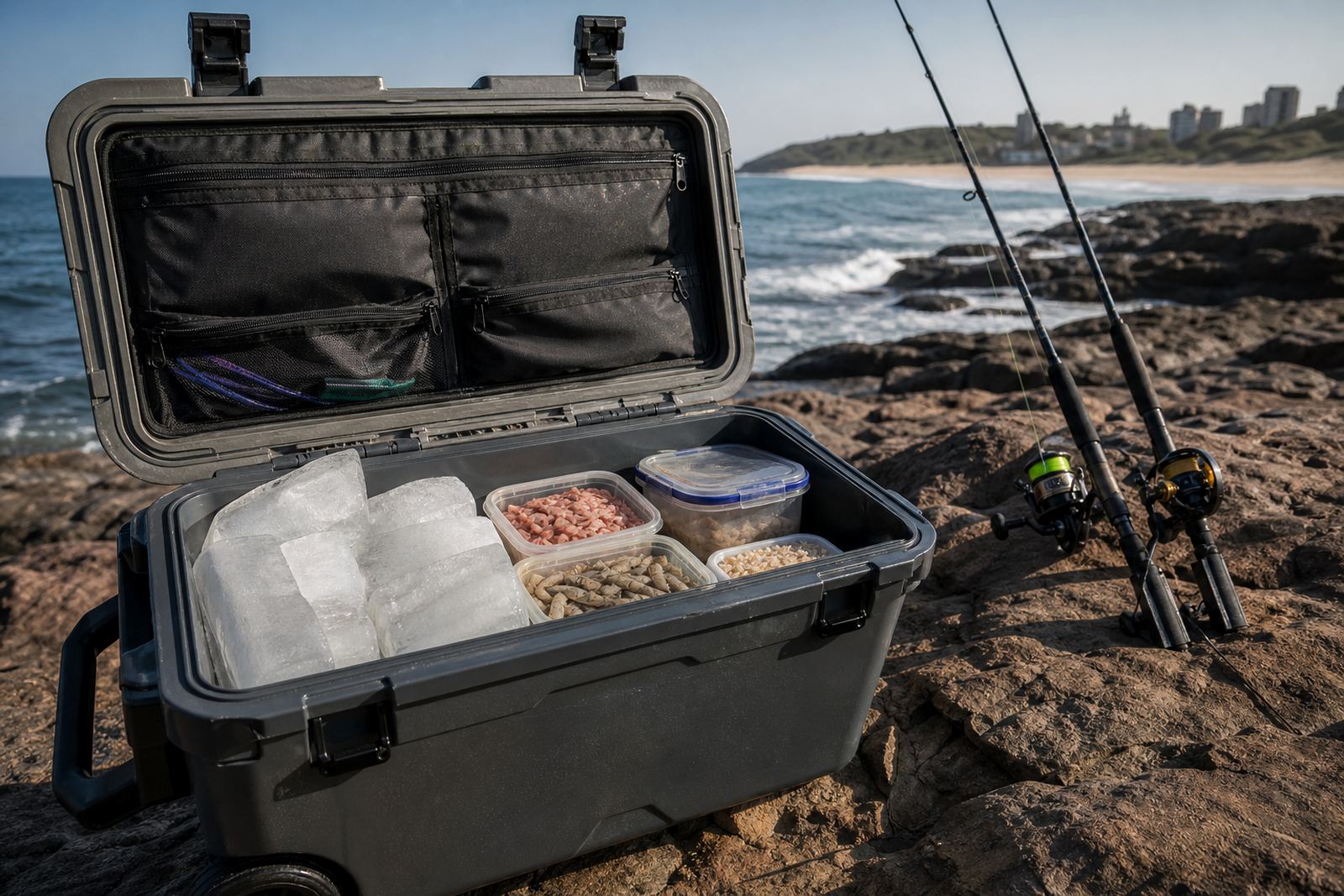
South African fishing can be hard on tackle. Salt air, sand, dust and long days in the sun all affect reel life. If you fish near the coast, choose a reel that is easy to rinse and service. If you store gear between trips in humid conditions, look for a body and spool that will cope with that routine. A reel that is simple to clean will usually last longer than one that is awkward to maintain.
Also think about your own skill level. A first reel should be straightforward to spool, easy to adjust and not too fussy about line type. If you are still learning knots, trace making or line tension, it helps to start with a reel that behaves predictably. Keep an eye on the warranty, the availability of spares, and how easily the reel can be serviced when needed. That can save money over time.
Use this quick checklist before you decide:
- Does it suit your main fishing area?
- Is the size right for your rod and line?
- Does the drag feel smooth and controlled?
- Can you maintain it without hassle?
- Will it still feel comfortable after a few hours of fishing?
A simple first-reel buying plan
If you want an easy way to narrow the choice, start with three questions. Where do I fish most often? What species am I aiming for? How much line and drag do I actually need? Once those are clear, the list of suitable reels becomes much shorter. That makes the buying process calmer and more practical.
For many first-time anglers, the best move is to choose a mid-size reel with a smooth drag, sensible line capacity and a comfortable feel on the rod. From there, you can fish, learn and refine your setup later. There is no need to overspend on features you may not use. The right reel should support you from the first cast, whether you are heading to the beach in Durban, a dam outside Johannesburg or a freshwater bank on a weekend trip. Keep it simple and buy for the fishing you will actually do.