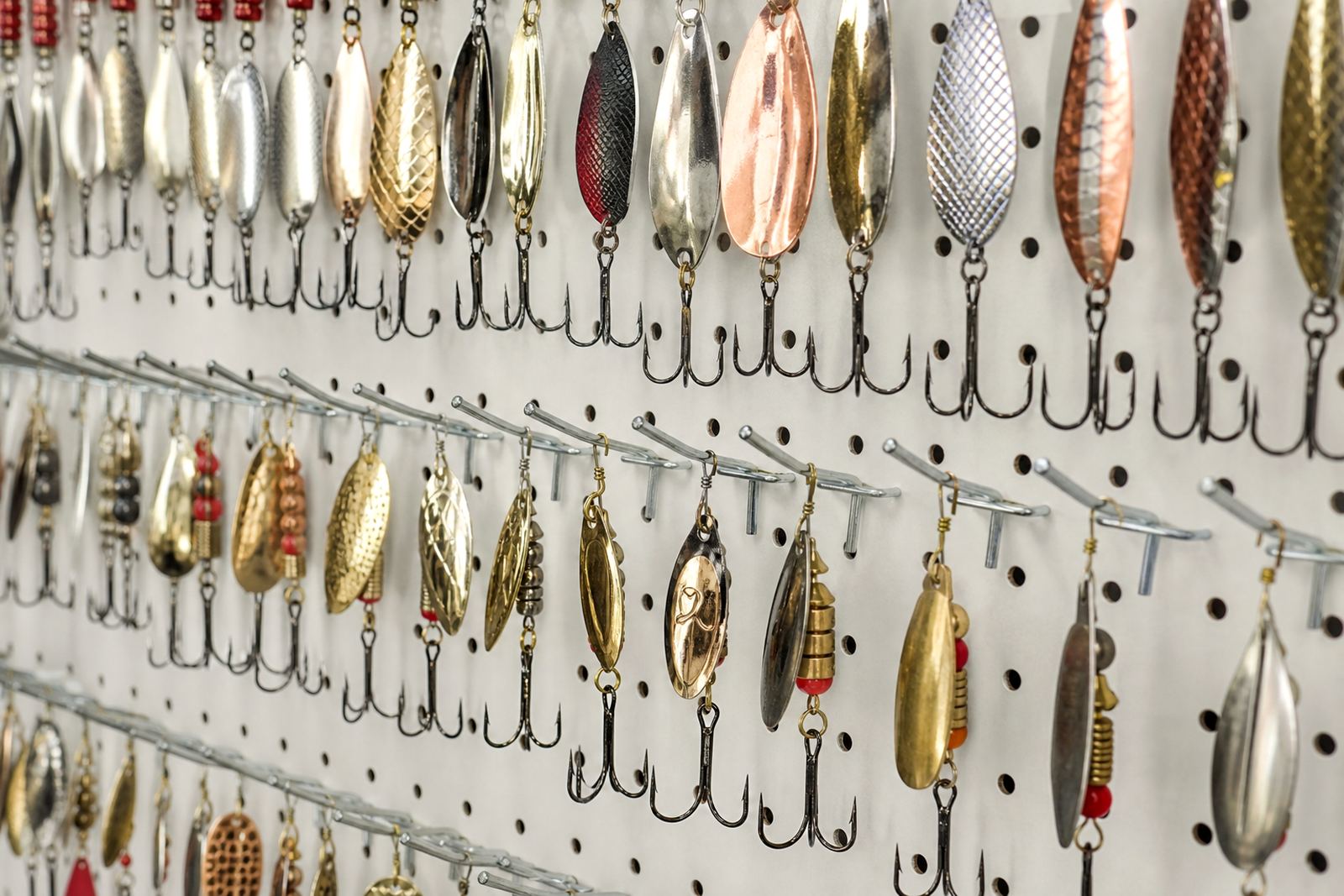
What spoons and spinners do in the water
Spoons and spinners are reaction lures built for casting distance and a quick, active retrieve. A spoon has a curved metal body that kicks side to side as it comes back, while a spinner uses a rotating blade to throw off flash and vibration. Both work well when fish are feeding on small baitfish or when you need to search a stretch of water instead of soaking bait in one place.
For coastal anglers in Durban and along the KZN coast, they are handy in surf gutters, harbour mouths and rocky points where fish are moving with the current. In freshwater, they suit dams, rivers and large impoundments for species that respond to speed, flash and erratic movement. They are also a practical choice when you want a lure that can be cast far with light effort, especially in wind or over choppy water.
Because these lures are simple, they are easy to match to rod action, line choice and the conditions on the day. A lighter spoon can work on a clear dam with a finesse retrieve, while a heavier model helps you punch through coastal wind or reach deeper holding water. The right choice often comes down to size, weight, blade shape and the hook setup, not just colour.
Sizes, finishes and hook options to compare
The range is usually chosen by weight first, then by body shape and finish. Small spoons and spinners are useful for trout, bream and light estuary work, while medium and heavier options suit bass, kob, garrick, elf and other active feeders. In the salt, a lure that casts cleanly and keeps its flash at speed often gets the nod.
- Small: about 5 to 12 g for lighter tackle, shorter casts and clear water
- Medium: about 14 to 28 g for general coastal and freshwater use
- Heavy: about 30 to 60 g for surf casting, wind and longer distance
- Short blade or compact spoon: tighter action and faster sink rate
- Wide blade or cupped spoon: more wobble, more lift, slower retrieve
- Single or treble hook options: chosen for target species and snag risk
Finishes include silver, gold, brass, painted patterns and reflective combinations. Clear water often favours natural flash, while stained water or overcast conditions may suit brighter patterns. Some anglers keep a mix in the box so they can change quickly when the light changes or the bite slows.
Hook style matters too. Trebles can improve hookup chances on short strikes, while single hooks may be better for weedier water, easier release and fewer tangles in the surf. If you fish around rocks, check that the hook point and split rings are strong enough for repeated hard casting.
Where spoons and spinners work best
These lures are at home in places where fish chase movement. On the coast, that includes surf zones, estuary mouths, harbour edges, rocky headlands and deeper channels where bait gets pushed around. In and around Durban, a spoon or spinner can be a solid pick for dawn sessions, moving tide and side-on wind when you need distance and flash.
Freshwater anglers use them in dams, farm waters and flowing rivers where predators sit off structure and intercept passing prey. They suit shoreline casting, boat fishing and slow trolling in some waters. If you are in Johannesburg, Pietermaritzburg or the Cape, the same basic lure can still produce, but the retrieve speed and depth should change with the water clarity and temperature.
- Best for active fish that respond to speed and flash
- Good for covering water when you do not know where the fish are holding
- Useful in windy conditions because the weight helps with casting
- Suitable for shore, pier, rock and boat use depending on size
- Handy for early morning, late afternoon and moving tide periods
In turbid water or after rain, a louder spinner blade or heavier spoon may help fish locate the lure by vibration. In clear conditions, a slimmer profile and steadier retrieve can look more natural. It pays to carry a few weights and finishes so you are not locked into one approach.
How to rig and use them properly
Most spoons and spinners are ready to tie on, but the rest of the setup still matters. Match the lure weight to the rod rating so you can cast cleanly without overloading the blank. For coastal fishing, a stronger leader is often a good idea because the line can rub on sand, rocks and shell beds. In freshwater, a lighter leader can be enough if the area is open and snag risk is low.
When working a spoon, keep the retrieve firm enough to make it wobble. If it spins or helicopter casts, the retrieve may be too fast or the spoon is not matched to the rod and line well. Spinners need a blade that starts turning quickly, so avoid slack line and keep steady pressure. Some anglers pause briefly on the retrieve, especially near drop-offs or structure, to trigger a strike.
There is no power or gas requirement for these products. What matters is your rod, reel, line and knots. Check that your reel drags smoothly and that your line is not twisted, because line twist can affect both casting and lure action. A simple clip or swivel can help in some setups, but it should be used with care so it does not spoil the presentation.
Care, saltwater washing and reel checks
Salt, sand and hard casting will wear any lure over time. After a coastal session, rinse spoons and spinners in fresh water and dry them before storage. If the lure has a swivel or split ring, check for rust, stiffness or bent metal. Coastal humidity around Durban and other seaside areas can start corrosion quicker than many anglers expect, especially if tackle is packed away still damp.
Look closely at the hook point, the body finish and the blade. A dull hook point should be touched up or replaced, and deep scratches can lead to quicker rust on cheaper metal parts. If you fish often, keep lures separated in the box so hooks do not nick the paint or tangle together.
- Rinse after saltwater use and dry fully before storage
- Check hooks for sharpness and rust
- Inspect split rings, swivels and blades for wear
- Keep different weights separate to avoid rubbing and scratching
- Store away from damp areas and direct sun
While the lure itself is simple, the rest of the outfit benefits from proper care. If your reel feels rough, the drag hesitates, or the line lays unevenly, a reel service or line spool can improve how the lure performs. A clean retrieve and steady drag help on long casts and sudden strikes, especially when fishing around structure.
What to check before you place an order
Before ordering, think about the species you are targeting, where you will fish, and how far you need to cast. A lure that works in a harbour mouth may be too light for a surf session, while a heavy spoon could be awkward for light freshwater gear. The right order usually starts with weight, then hook style, then finish and blade action.
It also helps to check line class, rod rating and whether you want one lure to do many jobs or a few lures for specific conditions. If you fish both coast and inland waters, a mixed selection is often the best value. Ask yourself whether you need distance, sink rate, weed resistance or a slower fall. Those answers narrow the choice quickly.
- Target species and water type
- Lure weight in grams
- Hook type: treble or single
- Finish: natural, bright or reflective
- Whether you need one lure or a small range of sizes
- Rod and reel rating, plus line strength
At Catches in Springfield Park, Durban, our team can help you match spoons and spinners to coastal and freshwater conditions across South Africa, including Durban, Cape Town, Gqeberha, Johannesburg and East London orders. If you are unsure, use the enquiry form on our contact page with your target species and fishing area, and we can point you in the right direction.
Key facts
| Product type | Casting spoons and spinners for active lure fishing |
|---|---|
| Typical weights | 5 g to 60 g depending on use |
| Main materials | Metal body, swivel or blade, steel hook |
| Best environments | Surf, estuary, harbour, rock, dam and river |
| Retrieve style | Steady, stop-start or lift and drop |
| Care requirement | Fresh water rinse, dry fully, check hooks and rings |