Surface strikes and diving runs for active fish
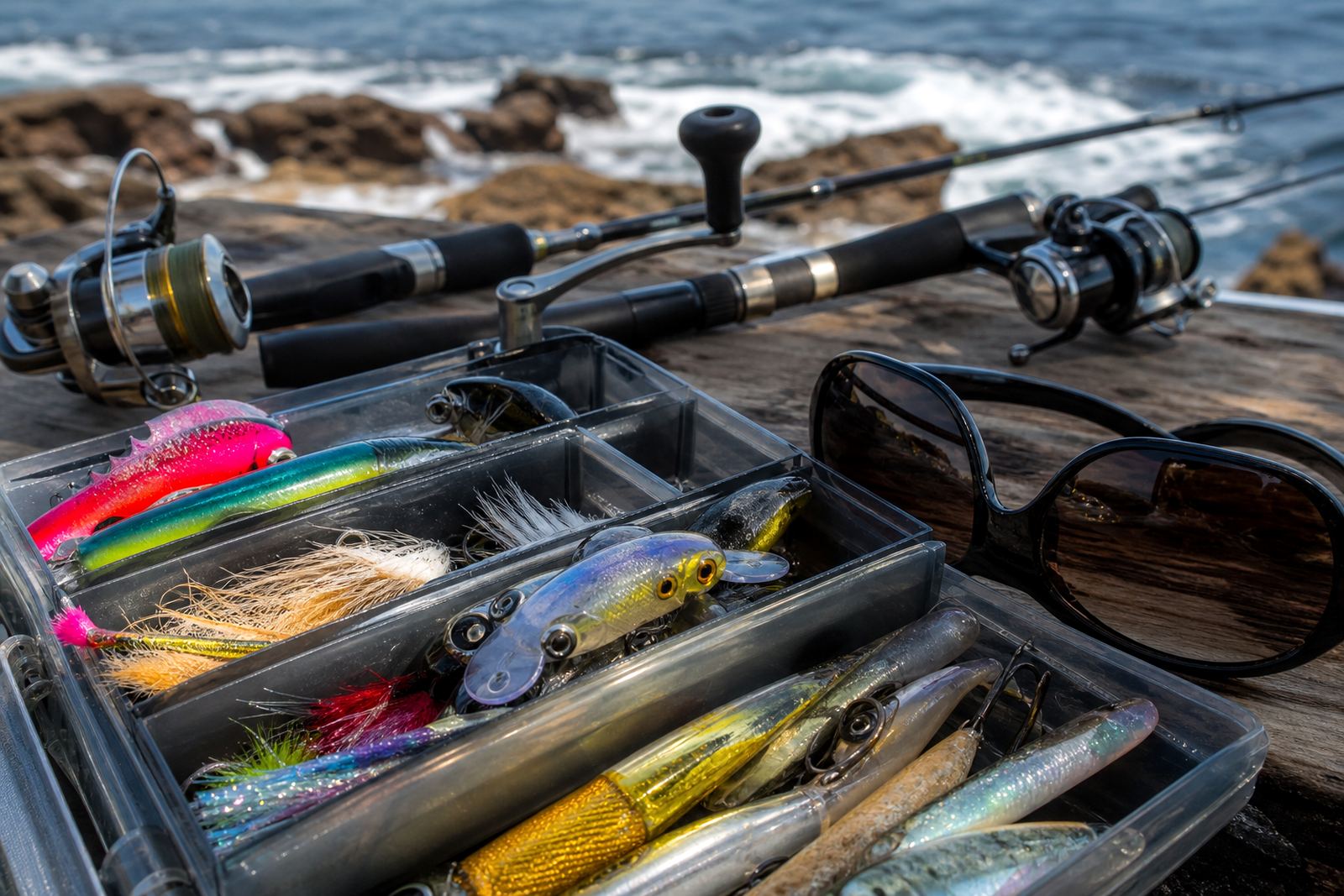
Poppers and plugs are hard-bodied lures used when you want a reaction bite rather than a slow feed. Poppers work on the surface with a splash and bloop, while plugs can run shallow, mid-water, or just under the top depending on lip shape and retrieve speed. They are a practical choice for anglers chasing species that feed with force and speed, especially when baitfish are moving in the surf, harbour mouth, river mouth, or dam edge.
These lures suit both salt and freshwater use. In the salt, they are useful for summer game fish, rock and surf work, estuary edges, and harbour canals. In freshwater, they work well for bass, yellowfish in selected waters, and other predators holding near weed edges, points, and submerged timber. A good plug or popper lets you cover water quickly, which helps when the bite is short and conditions change fast.
Choose the right size, depth, and hook setup
Sizes vary from small 60 mm lures for light spinning up to larger 140 mm and 160 mm models for bigger predators and rougher water. Weight usually ranges from about 6 g to 40 g, with larger styles built for longer casts and stronger wind. The best choice depends on the fish you are targeting, your rod rating, and whether you need a loud surface profile or a tighter wobble below the top.
Hook style matters just as much as the body shape. Some plugs come with trebles for a higher hook-up chance on short strikes, while others can be fitted with single hooks for easier release and less snagging in grass or rocky areas. In coastal areas with heavy tide and salt spray, stainless or corrosion resistant hardware is worth checking before you buy, and it saves trouble later.
- 60 to 80 mm: light tackle, small baitfish patterns, clear water
- 90 to 110 mm: general purpose for most coastal and freshwater work
- 120 to 160 mm: bigger predators, windier days, deeper profile
- Floating, suspending, or sinking body action depending on retrieve style
Where poppers and plugs perform best in South African water
In Durban and along the KZN coast, these lures come into their own around gullies, harbour walls, estuary mouths, and bait-filled points. On the Cape coast, wind direction and swell can make lure choice important, so a heavier plug may cast better in chop. Around Gqeberha and East London, anglers often use them where current, sand movement, and structure hold feeding fish close to the top. Inland, they suit dams, slow rivers, and weed beds where predators push bait shallow.
For freshwater, look for calm mornings, overcast conditions, and places where fish can ambush from cover. For saltwater, tide movement, bird activity, and bait flickering on the surface are good signs. A popper can be the better call when fish are busting on the top, while a slim plug often works better when you need a longer cast and a steadier swim just under the chop.
Colour is less important than many anglers think, but it still helps to carry a mix. Clear and silver patterns work in bright water, while darker backs and chartreuse tones can stand out in murky water or at dawn. In strong sunlight, a natural finish can be enough, but if the water is coloured a louder profile often gets more attention.
Retrieves, line choice, and rod pairing
These lures work best when the rod can load properly and still give enough tip action for a clean retrieve. A medium to medium-heavy spinning rod is common for most popper and plug work, with fast or moderate-fast action depending on how much control you want over the lure. Line choice also matters. Braid gives better casting distance and direct feel, while a leader adds abrasion resistance around rocks, pylons, and toothy fish.
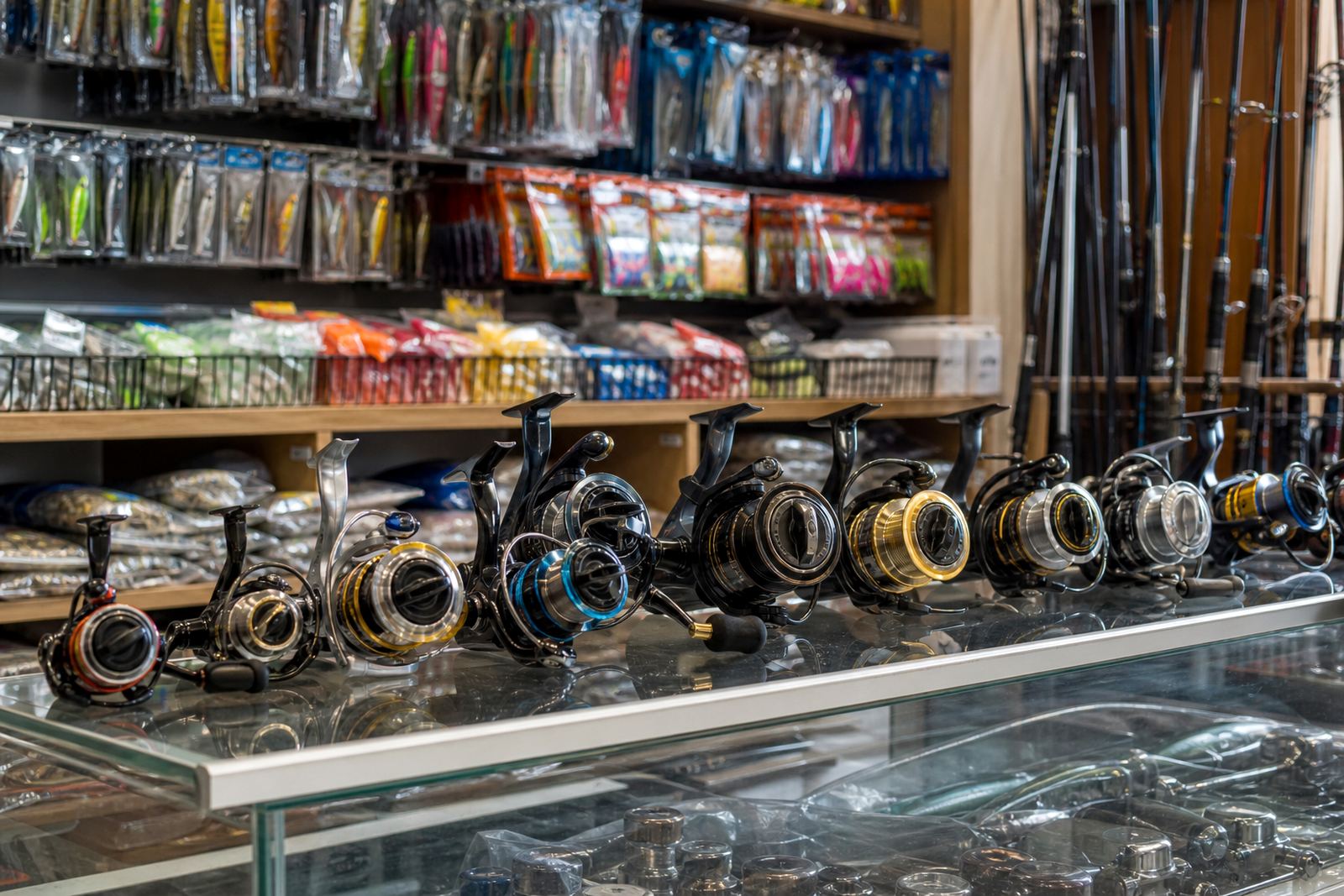
For most setups, a smooth reel with a good drag is important, especially when fishing the surf or around structure. If you are using a topwater popper, the retrieve usually includes short pops, pauses, and occasional longer sweeps. For plugs, a steady retrieve with the odd twitch often works better. Some days the fish want speed, other days they hit on the pause. That is why it helps to have a small mix in the tackle bag rather than only one style.
Springfield Park anglers often ask about practical casting range. As a guide, a well matched lure in the 15 g to 30 g range can give useful distance on a suitable rod and braid setup, though wind and leader knots can change that. If you are fishing a small creek, a lighter plug is easier to handle. On open beaches or estuary mouths, more weight can help you reach the strike zone quickly.
Care, salt rinse, and servicing after a hard session
Saltwater lures need proper care after every trip. Rinse them in fresh water, dry them fully, and check the hooks, split rings, and lure body for chips or cracks. Even a small nick in the coating can lead to rust, especially in humid coastal conditions. If you fish often around Durban, Umhlanga, or Ballito, it is worth keeping a separate container for used lures so wet tackle does not sit against dry gear in the bag.
Replace dull hooks before they start costing fish. Bent split rings, rattles that no longer sound right, and water inside a lure body are all signs that the lure needs attention. A plug that no longer tracks straight can be caused by a bent line tie, damaged lip, or worn hook hanger. Clean hooks and sharp trebles matter more than most anglers realise, because a weak point on the lure can turn a solid strike into a miss.
Storage is simple but important. Keep poppers and plugs in a dry box with enough separation so the hooks do not tangle or chip other lures. If you fish after load shedding and are rigging by torch light, take a minute to inspect the lure before it goes back in the box. It sounds small, but it saves time on the next trip and reduces surprise failures on the water.
What to check before you place your order
When ordering poppers and plugs, check the lure length, weight, diving depth, and hook setup first. Make sure it matches your rod rating and target species. If you fish from the beach or around rock, choose hardware that stands up to salt and abrasion. If you fish dams or canals, a smaller, quieter lure may be the better option. If the product will be used for club outings or group trips, it is worth ordering a mixed set so everyone has a usable option.
Also think about where you will fish most often. Cape anglers may prefer a heavier castable lure for wind and chop, while inland anglers may want a lighter model with a more subtle action. For Durban coastal use, corrosion resistance is a key check. For freshwater use near reeds and timber, snag resistance and floating action can matter more. If you are not sure which type fits your setup, it helps to compare the specs against your reel size, line class, and the water you fish most.
Our team can help with lure choice, trace making, starter setup, and trip gear checks, so you get the right mix for your conditions instead of a random box of lures. That includes advice for anglers fishing from Springfield Park, Pietermaritzburg, Johannesburg, Cape Town, Gqeberha, and East London orders. A good lure is only useful when it matches the water and the way you fish it.
Key facts
| Type | Hard-bodied surface and diving lure |
|---|---|
| Lengths | 60 mm to 160 mm |
| Weights | About 6 g to 40 g |
| Actions | Floating, suspending, shallow diving, surface popper |
| Target waters | Saltwater and freshwater |
| Common use | Casting for aggressive predator fish near structure and bait |