What Monofilament Line Does Best
Monofilament is a single-strand nylon fishing line made for everyday use across a wide range of setups. It stretches more than braid, which helps cushion sudden runs from fish and reduces shock on knots, hooks and traces. That extra give makes it useful for surf fishing, general lure work, bait fishing and as backing on reels where a bit of stretch is helpful.
It is also simple to tie, easy to inspect and generally kinder to anglers who are still learning knot work. For many South African conditions, from Durban beaches to inland dams, mono is the line people reach for when they want something practical and predictable.
Sizes, Breaking Strains and Spool Options
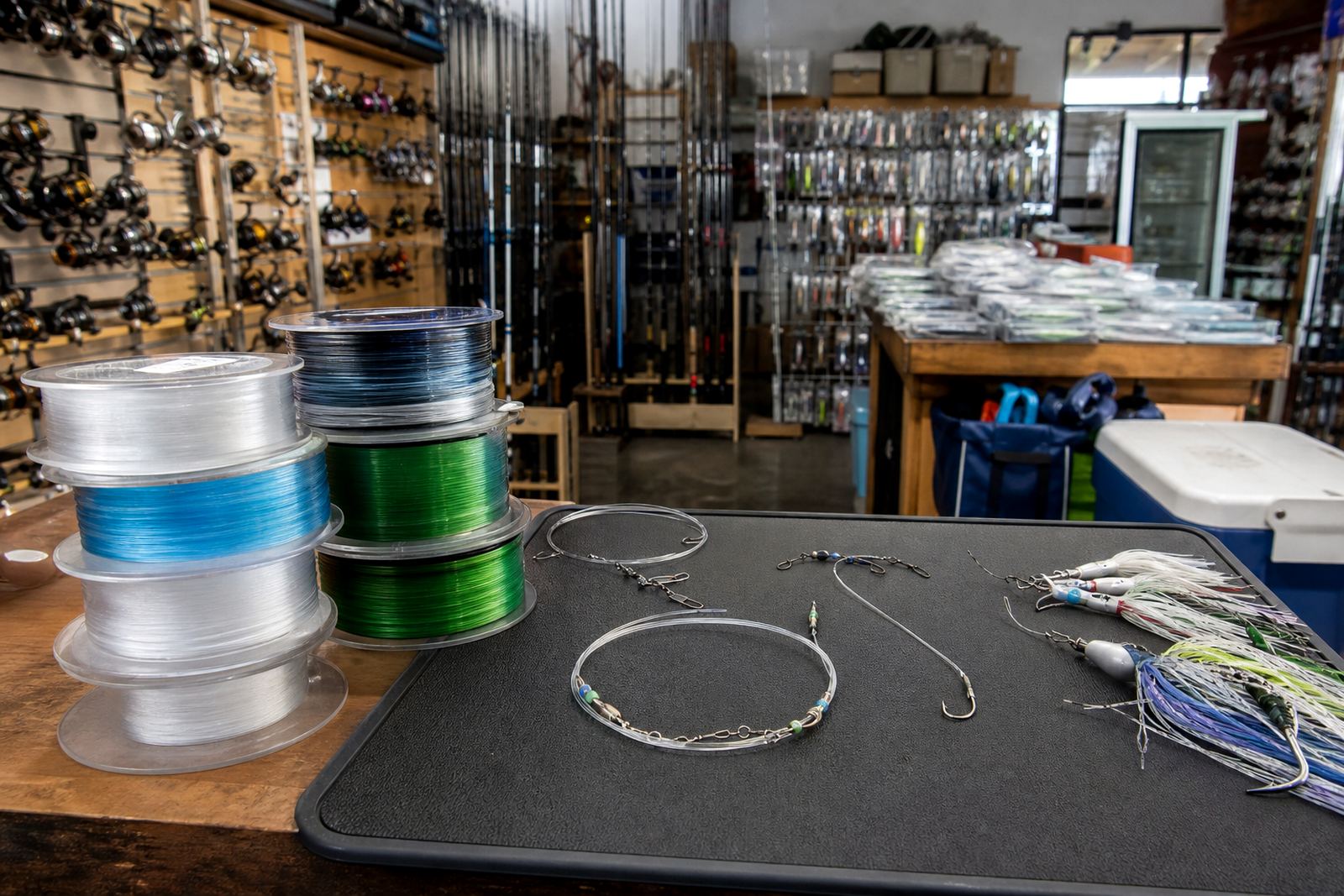
Monofilament line is usually selected by diameter and breaking strain. Thinner line casts farther and holds more on the spool, while thicker line offers more abrasion resistance and extra confidence around rocks, shells and heavy cover. The right choice depends on your target species, rod rating and reel size.
- Light freshwater use: 2 kg to 4 kg for smaller hooks and finesse rigs
- General freshwater and light surf: 6 kg to 10 kg for mixed conditions
- Coastal bait fishing: 12 kg to 18 kg for reefs, gullies and stronger current
- Backing on spinning reels: thin mono to build spool volume before your main line
- Leader and trace material: heavier mono for abrasion resistance and better knot strength
We stock a range of spool lengths so you can fill a small spinning reel, a multiplier or several rigs for club fishing without wasting line. If you are matching line for a trip to the KZN coast or an inland dam near Johannesburg, bring your reel size and rod details and we can match it properly.
Where Monofilament Suits South African Conditions
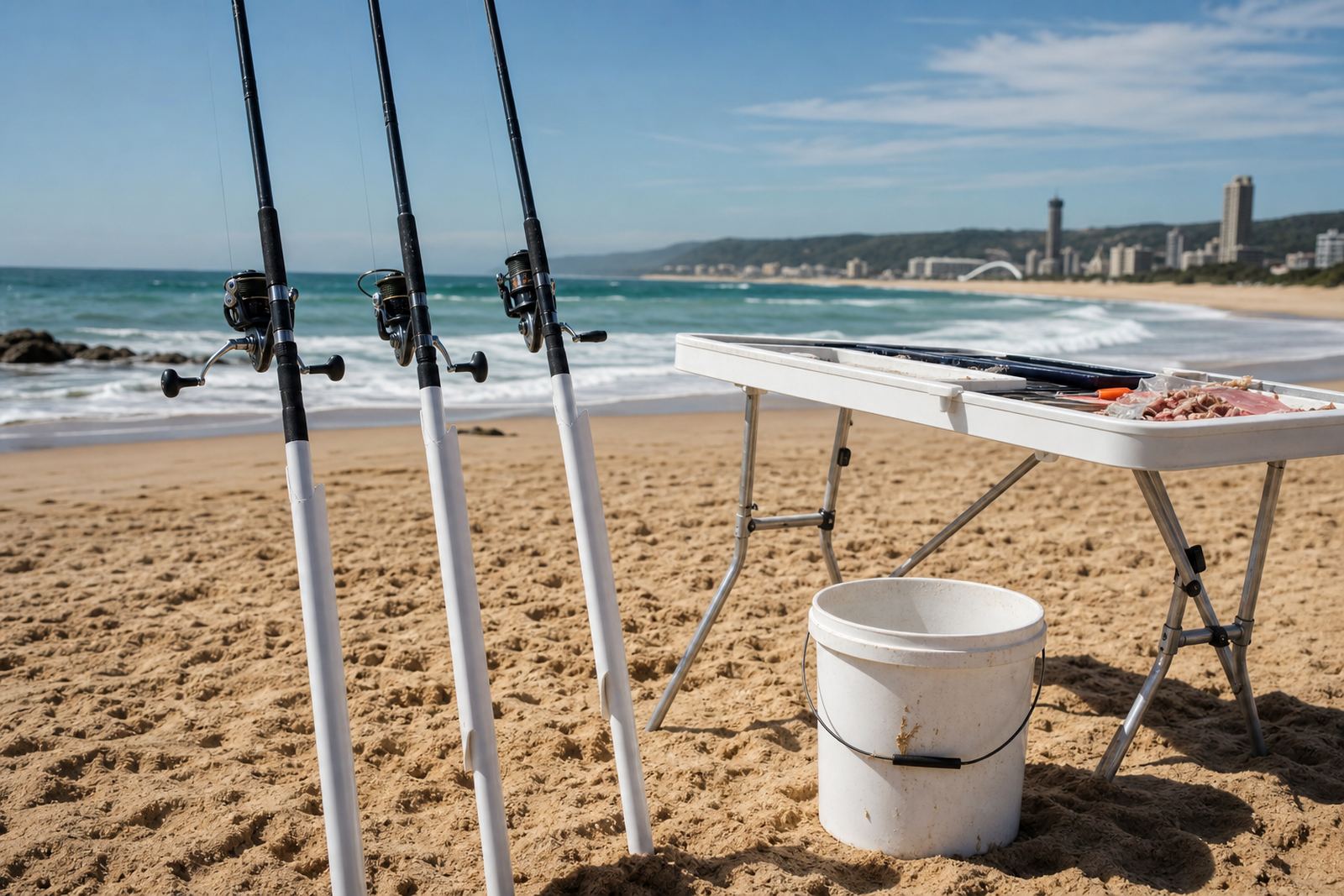
Mono works well in both coastal and freshwater settings. Along the Durban, Ballito and Cape Town coastline, anglers often use it for surf traces, snoek traces, bottom fishing and general bait presentation. In Gqeberha and East London, it is a practical choice where abrasion from rocks, mussel shell and mixed swell conditions can punish lighter gear. Inland, it is useful for bass, carp, barbel and general dam fishing where easy knotting and controlled stretch matter.
It also suits backup spools, top shots and leader sections. If you fish from rocky points, harbour walls or estuary banks, mono gives a bit more forgiveness than very stiff line. That makes it handy for anglers who want gear that behaves well without needing a lot of fuss.
- Surf traces and leader sections
- Freshwater bait fishing and float setups
- Backing on spinning or multiplier reels
- General-purpose rigs for mixed species
How To Fit It Properly
Good line performance starts with a clean reel spool and the right amount of tension while winding. Mono should be laid on evenly to avoid loose coils, wind knots and burying under pressure. If you are spooling at home, keep steady hand tension and make sure the line sits level on the reel lip without overfilling it. No power or gas is required for basic installation, just a secure reel, a clean spool and a careful hand.
For anglers who want a neater result, our line spooling service can help with correct fill, knot seating and reel checks. That is especially useful before a long trip, after reel repairs, or when setting up several rods for a club outing. A properly spooled reel casts better and is less likely to give problems when the fish are running.
- Check the reel capacity before choosing diameter
- Use a backing knot if you are combining mono with another line type
- Keep tension steady while winding
- Leave a small lip gap to reduce spill-offs
- Wet knots before tightening to reduce friction
Care, Storage and Replacement Tips
Monofilament lasts best when kept out of direct sun and away from heat. Durban humidity, salty air and constant UV can age line faster than many anglers expect, so it is worth storing spare spools in a dry tackle box or cupboard. If the line feels springy, looks cloudy or shows flat spots, it may be time to replace it.
After a hard trip, rinse the reel lightly with fresh water and let it dry before storage. Do not leave line wound tightly on a hot reel in the boot of the car for weeks, especially after a session at the beach. That kind of neglect can reduce strength and make casting less predictable. A little care goes a long way and saves money over time.
What To Check Before You Order
Before you choose your spool, think about the reel type, target species and the conditions you fish most often. If you are ordering for Durban surf, ask for a line that handles abrasion and long casts. For freshwater fishing around Pietermaritzburg or the inland routes to Johannesburg, a lighter mono may be enough for cleaner water and smaller fish. It helps to know your rod rating, reel size and whether you need main line, backing or trace material.
Please also check whether you need clear mono, coloured mono or a line with a specific feel for knot work and handling. If you are buying for a team or club, note the number of reels to be loaded and the breaking strain required for each setup. We can also assist with starter setup, trip gear checks and trace making, so you leave with line that suits the rest of the tackle instead of guessing at the shelf.
- Reel size and line capacity
- Target species and fishing venue
- Required breaking strain and diameter
- Whether it is for main line, backing or leader use
- Spool length needed for one reel or multiple rigs
Key facts
| Product type | Monofilament fishing line |
|---|---|
| Material | Nylon single-strand line |
| Typical use | Surf traces, backing, leaders and general-purpose fishing |
| Available strengths | Light to heavy breaking strains for freshwater and coastal use |
| Handling | Easy knotting, controlled stretch and good reel lay |
| Best suited to | Durban, Cape Town, Gqeberha, East London and inland freshwater fishing |