How bait stock changes through the year
Bait availability is never the same from one month to the next. Along the KZN coast, summer usually brings stronger demand for prawns, sardine, chokka, and other sea bait, while winter trips often shift toward more controlled matches, lighter traces, and hardier options for cooler conditions. Freshwater anglers may also see changes linked to dam levels, rainfall, and fish movement in and around Gauteng, the Free State, and Mpumalanga.
If you are heading out from Durban, Cape Town, Gqeberha, Johannesburg, or East London, it helps to check bait plans before you leave home. Weekend traffic, public holidays, and last minute weather changes can all affect what sells through quickly. In coastal humidity, bait also needs careful handling so it stays in good condition long enough for your session.
What to check before you place your order
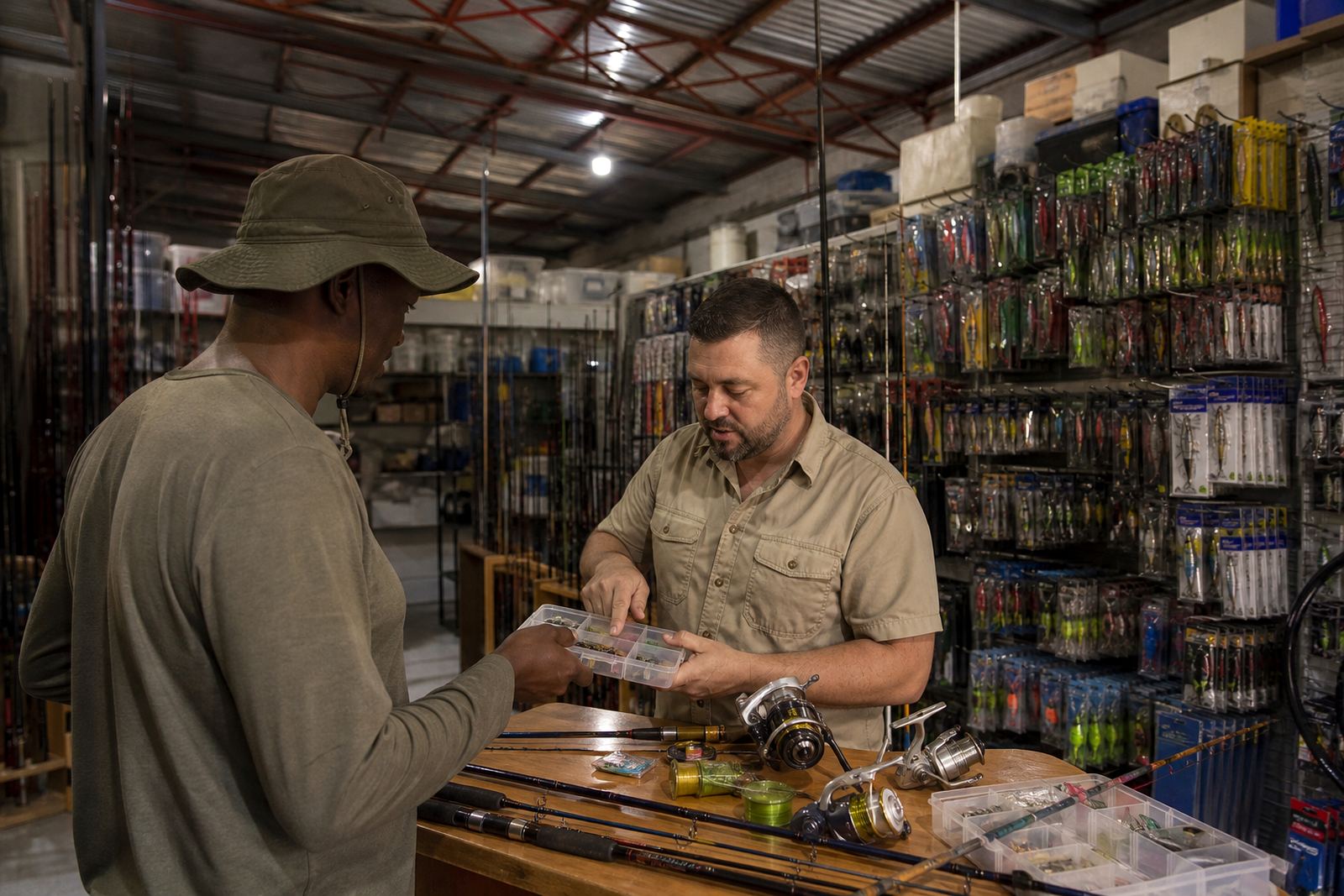
Before you book bait, think about the type of fishing you will do, the water you are heading to, and how long you will be out. A two hour afternoon stop at Umhlanga is very different from a full day session in the harbour edge or an early morning freshwater trip near Pietermaritzburg. If you are unsure, our team can help you match bait to the species and the venue.
- Target species and venue, coastal or freshwater
- Trip length and whether you need backup bait
- Travel time from Springfield Park or your nearest area
- Storage plan in hot weather or during load-shedding
- Whether you need bait for one angler or a whole club group
For bulk club orders, it is best to plan early because larger quantities are often requested on the same days. That means the best time to check is before the weekend rush, not after everyone else has already collected theirs.
Keeping bait in good condition on the day
Good bait can lose value quickly if it is left in the sun, crushed in the boot, or unpacked too late. In Durban heat and coastal moisture, keep bait shaded and cool from the moment you collect it. If you are travelling long distance, use insulated containers or cool bags and avoid opening them too often.
Load-shedding can affect storage at home and at fishing venues, so it is worth preparing early. Freeze what can be frozen, separate portions where possible, and avoid mixing fresh bait with older stock. If you are carrying live or soft bait, give yourself extra time so you are not rushing when you arrive at the water.
- Keep bait out of direct sun as soon as you buy it
- Use sealed containers to reduce leaks and smells
- Carry a small reserve in case the first bait is damaged
- Do not leave bait in a hot car for long periods
Signs that a bait type may be running low
Some bait types move faster than others. When a run of good weather hits, or when reports come in from popular spots, certain items can sell quickly. This is common before school holidays, public holidays, and long weekends when anglers from Johannesburg and surrounding areas head to the coast. If you are after a specific bait, do not leave it to the last minute.
We recommend checking stock if you need a specific size or cut. For example, traces and hooks may be easy to sort, but the exact bait you prefer may not last through the day. A quick enquiry through the contact page gives you a better chance of planning properly and avoiding an unnecessary trip.
Starter setups for anglers who are still learning
If you are new to fishing, bait choice can feel confusing. The best approach is to start with a simple setup that suits your rod, reel, line, and target area. You do not need a complicated spread of bait to have a proper day out. In many cases, one or two reliable options are enough while you learn what the fish are taking locally.
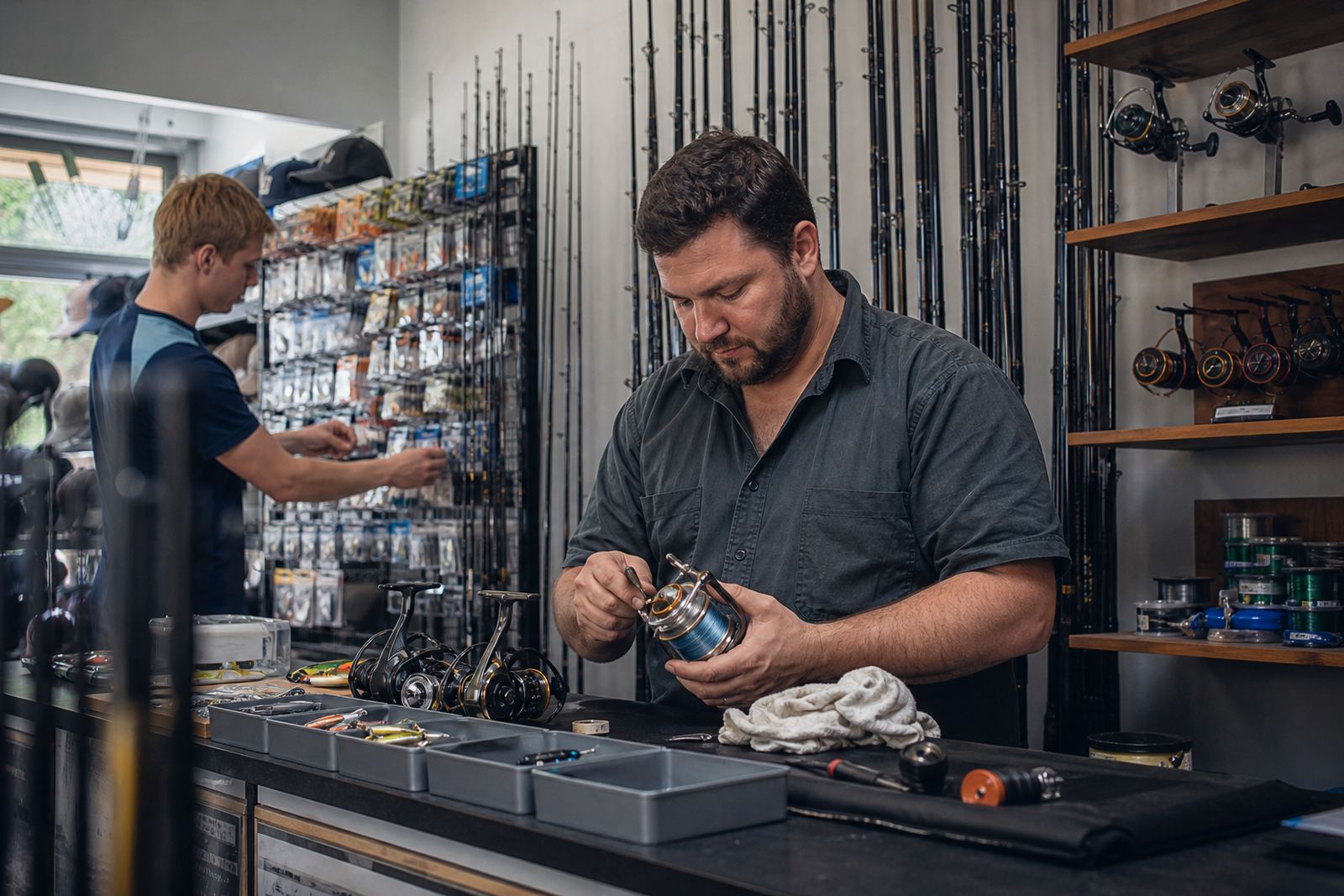
Our team can help with starter setup guidance, rig advice, trace making, and trip gear checks so you are not guessing. Ayesha Naidoo and the store team can point you in the right direction, while Lwandle Dlamini and Pieter van Rooyen help with coastal and freshwater choices respectively. Jason Petersen can also advise if your reel or line setup needs attention before you buy bait.
Plan ahead for trips from Durban and beyond
If you are collecting bait from Springfield Park or arranging an order for nearby areas like the Durban Store, Umhlanga, Ballito, or Pietermaritzburg, it helps to plan around traffic and departure time. For orders heading to Johannesburg, Cape Town, Gqeberha, or East London, early planning is even more important because you want bait that is ready when you are, not after the trip has already started.
Use this simple checklist before you set off:
- Confirm your target species and bait preference
- Check the weather, swell, wind, and tide or dam conditions
- Allow time for collection and travel delays
- Prepare a cooler or insulated bag
- Pack spare trace material, hooks, and sinkers
With the right planning, bait availability becomes one less thing to worry about, and you can focus on the actual fishing.